Monthly Archives: July 2023

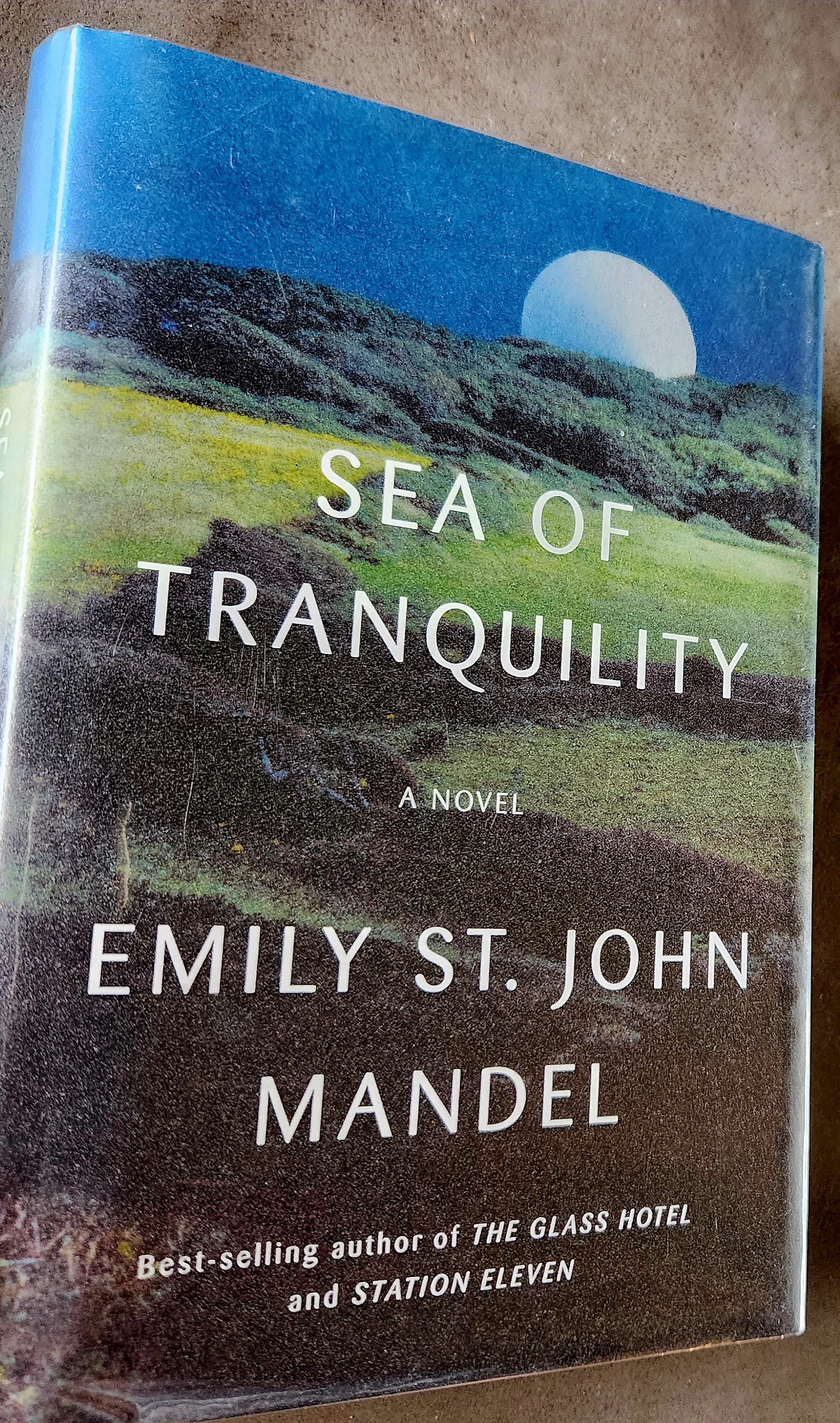
Sea of Tranquility by Emily St. John Mandel

What a great book! As you know, I normally do not read in this genre, but Sea of Tranquility by Emily St. John Mandel was exceptional. I even found myself slowing down at the end to savor the final events.

Too often I find that “sci-fi,” if you can call this “sci-fi,” lacks emotional depth, is too self aware, too clever, too focused on an overt plot. (I know sci-fi lovers will argue about this with me all day long.) But, I’ll always be impressed when an author can bring it all together in the writing–emotional depth, development, and beauty.

This is a book that examines the “simulation theory,” and the meaning in life, by jumping through eras of time. Each era is described with sparse, but powerful language. I recommend it!

Breasts and Eggs by Mieko Kawakami

Breasts and Eggs by Mieko Kawakami delves into a modern, urban female experience. The main character navigates the big questions women must face and the relationships they must navigate. Kawakami leads the reader through these issues without defaulting to any oversimplifications. The opposite, actually. Each question and relationship is as complex as real life. This book feels almost memoiristic, as I imagined Kawakami as the main character. (I’m prone to doing this though.)

The main character, Natsu, comes from poverty and brings herself out of that slowly as a novelist (the most unlikely of stories!). This character’s life leads her away from her family roots (in a sense) and complicates her relationships with her now very small extended family, not that these relationships are ever uncomplicated.

Her past (experiences with poverty and loss) also complicate her relationships and her abilities to be in a romantic relationship and to create a family of her own.

The book is strange. Natsu is confused. There is tragedy and there is triumph. It is nuanced, and that is true of the human experience, and in this case, it’s focused especially on the female experience.

I read that Breasts and Eggs was once published as a novella and then was expanded into a longer novel, which is the version I read. Through most of the book, I found myself wishing that this was two separate books, but then again, I love a good, short, digestible read. However, now that I’ve reached the conclusion, I do think extending it into one long book is defensible.
Lucy by the Sea by Elizabeth Strout

For the first half of this book, I felt myself impatient with the main character, Lucy. I am so hungry for a female lead who is not so passive, who knows her own mind. However, the writing was good enough that I suspected this all too common characterization of female leads was going somewhere meaningful, and I was right. I also grew to appreciate the spare writing style and the diary-entry style that she uses to develop a consistent sense of voice and theme throughout.

Elizabeth Strout’s Lucy by the Sea is a great book worth reading. Although this history seems so very recent, Strout’s book helps me recall just what the early days of the pandemic were like and the politics surrounding that time.

Even more interesting to me were her characters and the subtle insights she develops through the book to help the reader see just how they came to think and act like they do. None of this life gets wrapped up in a pretty bow, and Strout’s work reflects that not uncomplicated reality.

Their Eyes Were Watching God by Zora Neale Hurston

A literary classic, Their Eyes Were Watching God by Zora Neale Hurston is, indeed, an epic work of staggering genius. I thought I had read this book in college, but realized I hadn’t once I got started. Perhaps I only read an excerpt. While I have read several books with plenty of AAVE (African American Vernacular English), especially Alice Walker, I think this book had more dialogue and more AAVE than anything I’d ever read before. Much like reading Shakespeare, the text was challenging to get in to, but once I found my pace, the language became rich and beautiful–full of great humor and the depths of human emotional experience.

There’s not much more that I can say about this book that hasn’t already been said. It fell out of preference for several decades, but was revived in the 1970s by Alice Walker and has been a canonical text in Literature classes ever since. Much has been written about it, and rightly so.