Category Archives: motherhood

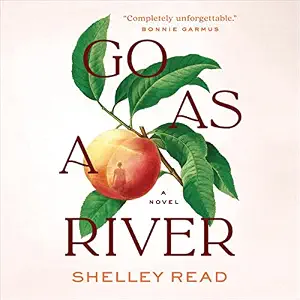
Go As A River by Shelley Read

I read Go As A River by Shelley Read for research. To me, this book goes in the same category as Where the Crawdad’s Sing. Are women forever fleeing to the forest to survive in peace?

Having spent time in Colorado, and especially around Durango, the sights and sounds were familiar to me, and I think that made me like the book even more. I am also interested in towns that have been wiped out by dams. The imagery alone is fascinating!

I think most readers will like this book–engaging plot line, based in a woman’s experience, set against a stunning landscape. Readers who only read literary prose may not like this one, but for the average reader, even one who likes an elevated level of writing, this book will do just fine.

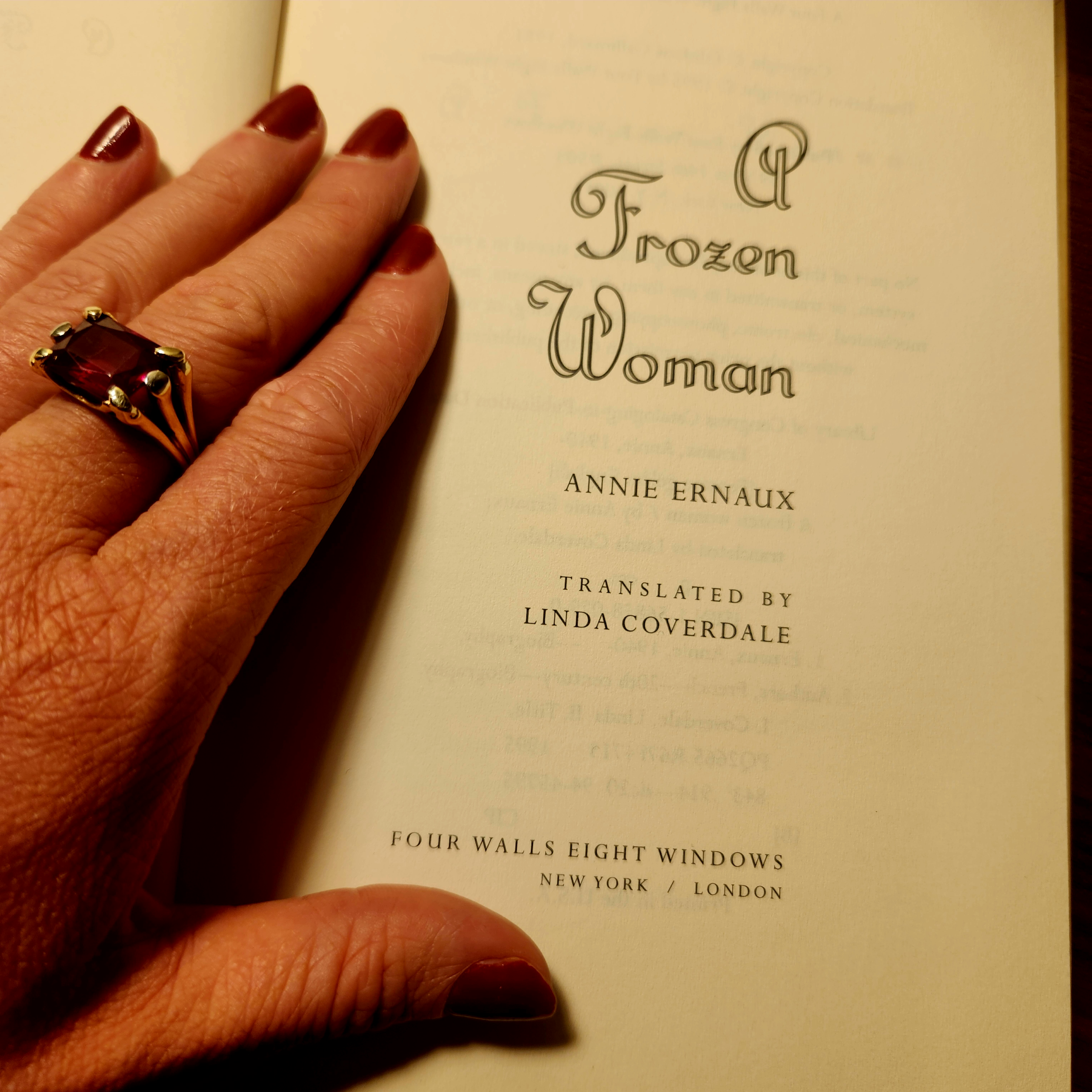
A Frozen Woman by Annie Ernaux

My latest summer read was A Frozen Woman by Annie Ernaux. Ernaux has been writing for decades, but I feel like she’s having a resurgence, perhaps because of her recent Nobel Prize in Literature, but I can see why.

While everyone is reading Yesteryear, Ernaux’s A Frozen Woman takes readers back to motherhood in the middle of the last century and depicts a stifled life full of daunting work and caretaking as the main character put aside her lofty ambitions and raises two children with a husband who, like many husband/fathers of the time, was largely unhelpful.

Ernaux captures the labor and desperation that sometimes comes along with motherhood, especially a motherhood devoid of support–which is the normal for so many (most?).

For women who are mothers, but who are also ambitions, artistic, and driven, I think this book will resonate. The writing alone is beautifully done. The book is an acheivement for sure.

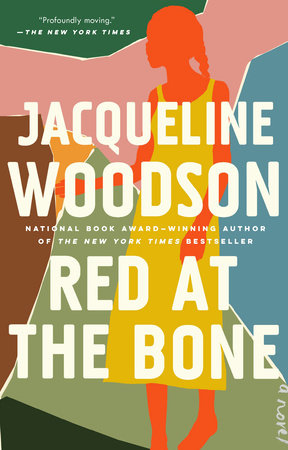
Red at the Bone by Jacqueline Woodson

Red at the Bone by Jacqueline Woodson is a short, readable, excellently written book that takes readers on a deeply human journey while also layering in historical context. One can’t really ask for me.

It seems like responsibility often skips a generation. One generation scrimps and saves and works to build generational wealth, and then the next generation can relax in that security, and then the next generation is driven to work and save, etc., in order to regain a sense of security, and then their children can relax again, and so it goes. For me, this book captured that.

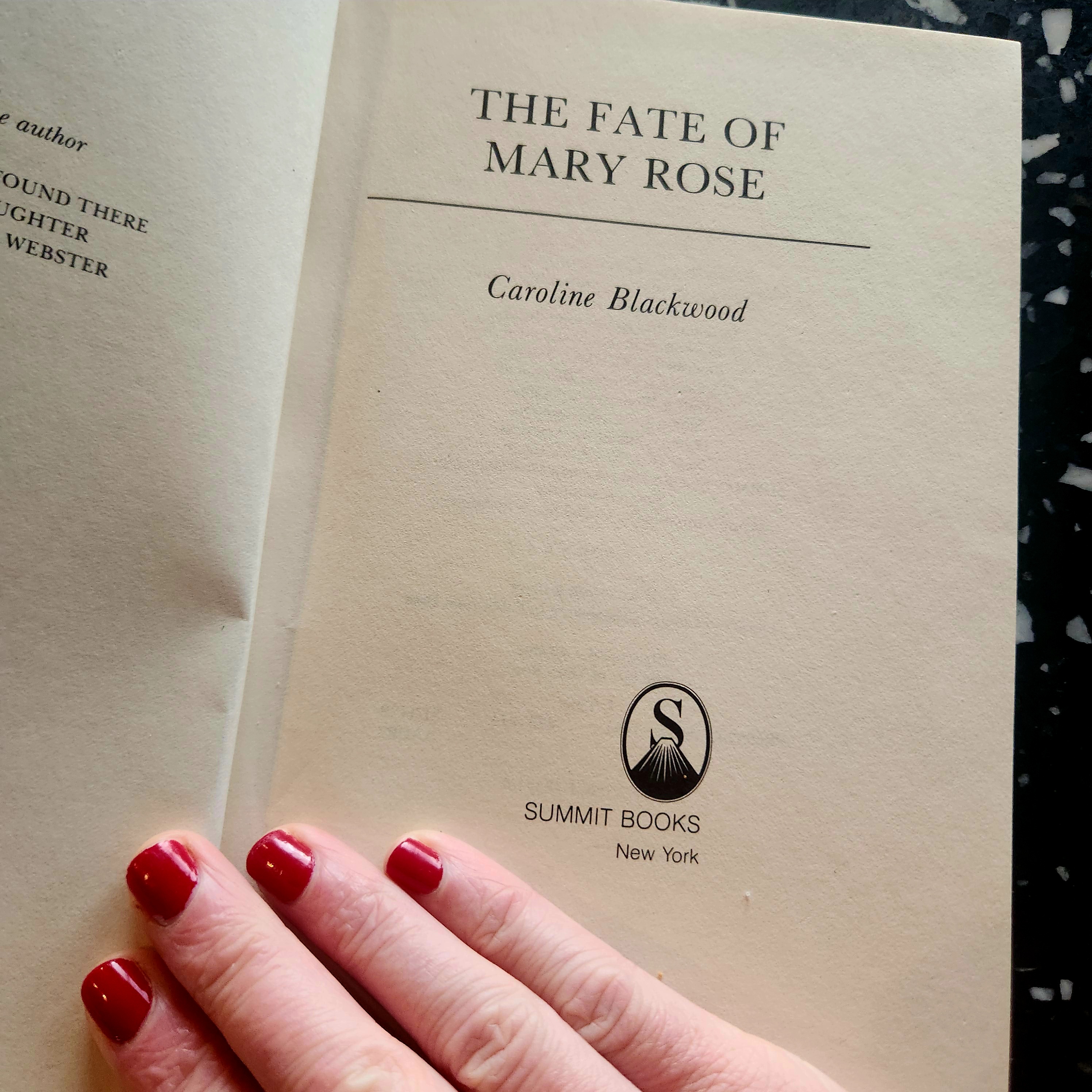
The Fate of Mary Rose by Catherine Blackwood

The Fate of Mary Rose by Catherine Blackwood is a psychological thriller. I didn’t always enjoy the ride–as intense as it became–but I did appreciate what Blackwood did here. The premise is dark. The characters are deeply unique and interesting and disturbing. While they are difficult to pin down, they are also very clearly pictured.

The author, Blackwood, herself is interesting and worth study as well. Lately I’ve felt a little discouraged that most prominent art, music, literary works–all–are saturated with people so privileged they have no excuse but to create something. Then they use all of their resources to hire editors and producers, etc. to make it great. And that works, but I am still enamored by the idea of the persona of an artist, not an a privileged inevitability, but by a little je ne sais quoi.

Even despite my sometimes disillusionment with art at the moment, Blackwood caught my attention. Apparently she was a socialite and muse, and bemused by, important movers and shakers of her time. I could not determine her craft secrets, but I marveled at her ability to do it. The pacing she maintained throughout and the grip she held on her readers throughout was quite the feat. The book is well worth reading, especially for readers who crave a little suspense without losing literary quality.

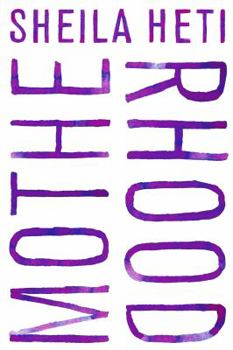
Motherhood by Sheila Heti

In many ways, Motherhood by Sheila Heti felt like a continuation of my recent readings on motherhood and middle age from Miranda July and Claire Dederer. This book fit perfectliy within those conversations. These are people who grapple with the big question of whether or not to pursue motherhood when one is an artist, intellectual, and/or otherwise passionate about their career.

Needless to say, these philosophical wonderings, coupled with a gentle narrative thread, speak to me loudly. I recently read Heti for the first time last year. I appreciated when she was doing then, but I think this is the book I was meant to read.

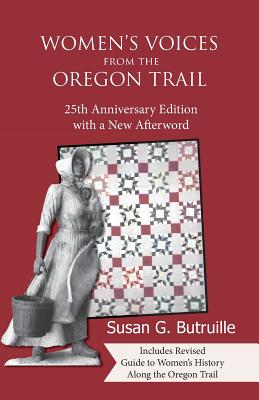
Women’s Voices from the Oregon Trail by Susan Butruille

Women’s Voices from the Oregon Trail by Susan Butruille is one of the more niche books I’ve ever read, but what can I say? I was pretty engrossed all the way through. The writer drives the Oregon Trail from Missouri and shares diary excerpts and insights of what the trail was like, especially for the women. Butruille stops at historical sites and shares photographs and more insights inspired by those visits.

As a daughter of pioneers, I imagined my own relatives making a similar trek, imagined their lives and relationships and hardships. I think this book is even more relevant to those of us with that personal connection. A broader audience might be interested in the history. I think the rigid role of wife as domestic servant will be especially striking to some readers as well.

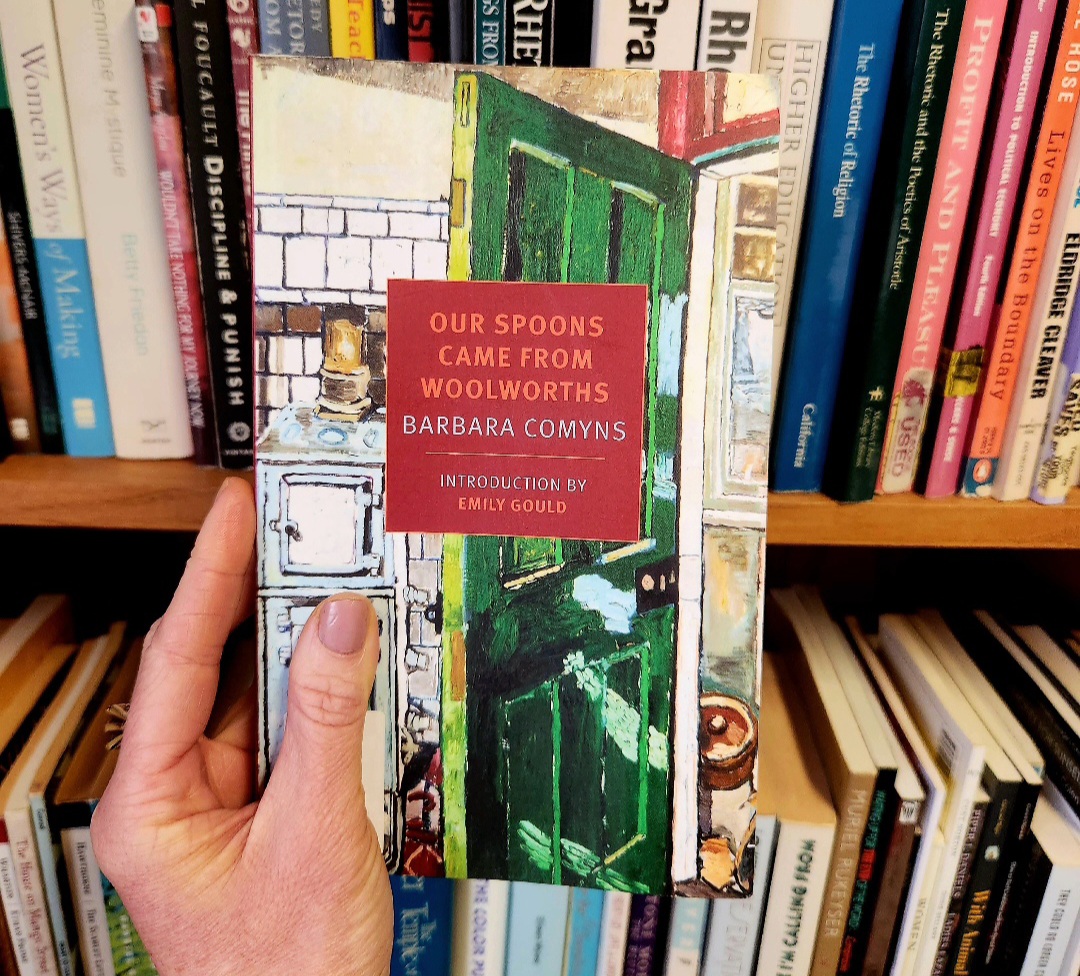
Our Spoons Came from Woolworths by Barbara Comyns

I first read Barbara Comyns in 2024, starting with Who Was Changed and Who Was Dead, and it was such a strange and excellent book that it has really stayed with me. When someone recommended her other book, Our Spoons Came from Woolworths, I knew I wanted to read it–even if just for that title!

The book follows the life of a young, impoverished woman, who is an artist, but is held back by sexism and classism and the burdens that come with it. She seems somewhat unaware of her unfair circumstances, or at least perceives them in a unique way, and so the reader gets a new view, one that avoids commonplace thinking around victimhood.

For the doulas and birth workers who follow me, there is also quite a lot of content about hospital childbirth during the middle of the last century. It was…rough. (And there’s still so much more work we can do to improve hospital childbirth, but that’s an aside.)

In the last few years, I’ve gone from Elena Ferrante to Barbara Comyns to Moa Martinson and back to Comyns again. I’m so grateful to have discovered these authors, and my interest in finding more is renewed.

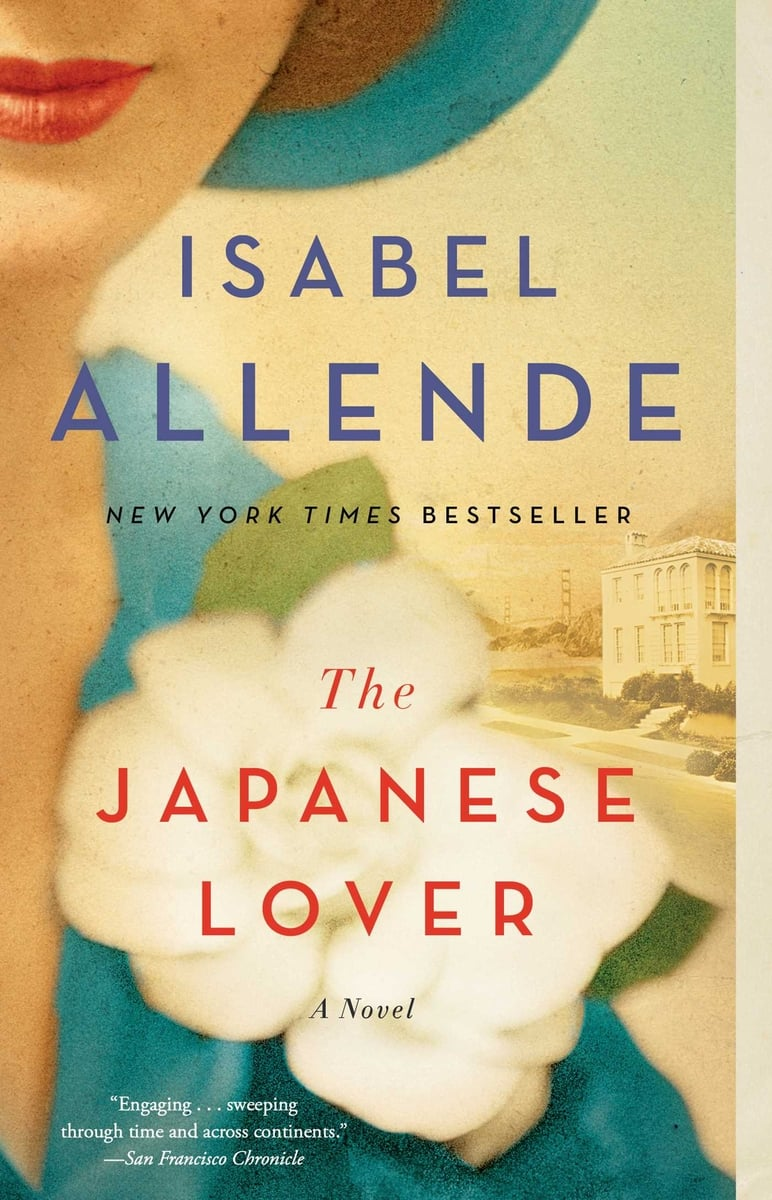
The Japanese Lover by Isabel Allende

I’ve tried to read The House of the Spirits by Isabel Allende a few times over the years, but I guess the timing has never been right. However, I recently read a positive review of her more recent book, The Japanese Lover, and so decided to read it for starters.

I once knew, and felt quite close to, a woman who was of Allende’s generation and, seemingly, of her social class too, and wow could I see the similarities in thinking in this book. The Japanese Lover seems to leave no stone or topic unturned and does a lot more telling than showing as it persistently weaves characters and backstories to a poinant conclusion. It’s all effectively done and stands apart as literature in a sea of popular fiction.

There’s a progressive attitude in most of the characters that will be palatable to most readers. There may be an exoticization of the Japanese lover that some readers could find problematic. There’s an upper class persnicketiness that is…accurate. There are longer suffering men who seem to go to any length for the women in their lives, no matter how difficult or secretive, out of touch or confused they may seem. That’s the piece that seemed unrealistic to me: this world where strong women nevertheless are happily managed by their families, and especially the fathers, grandfathers, brothers, cousins, and uncles. As I said, the perspective is of a generation and a social class that is interesting, but is also definitely of an era and of a time. Maybe others will recognize it too.
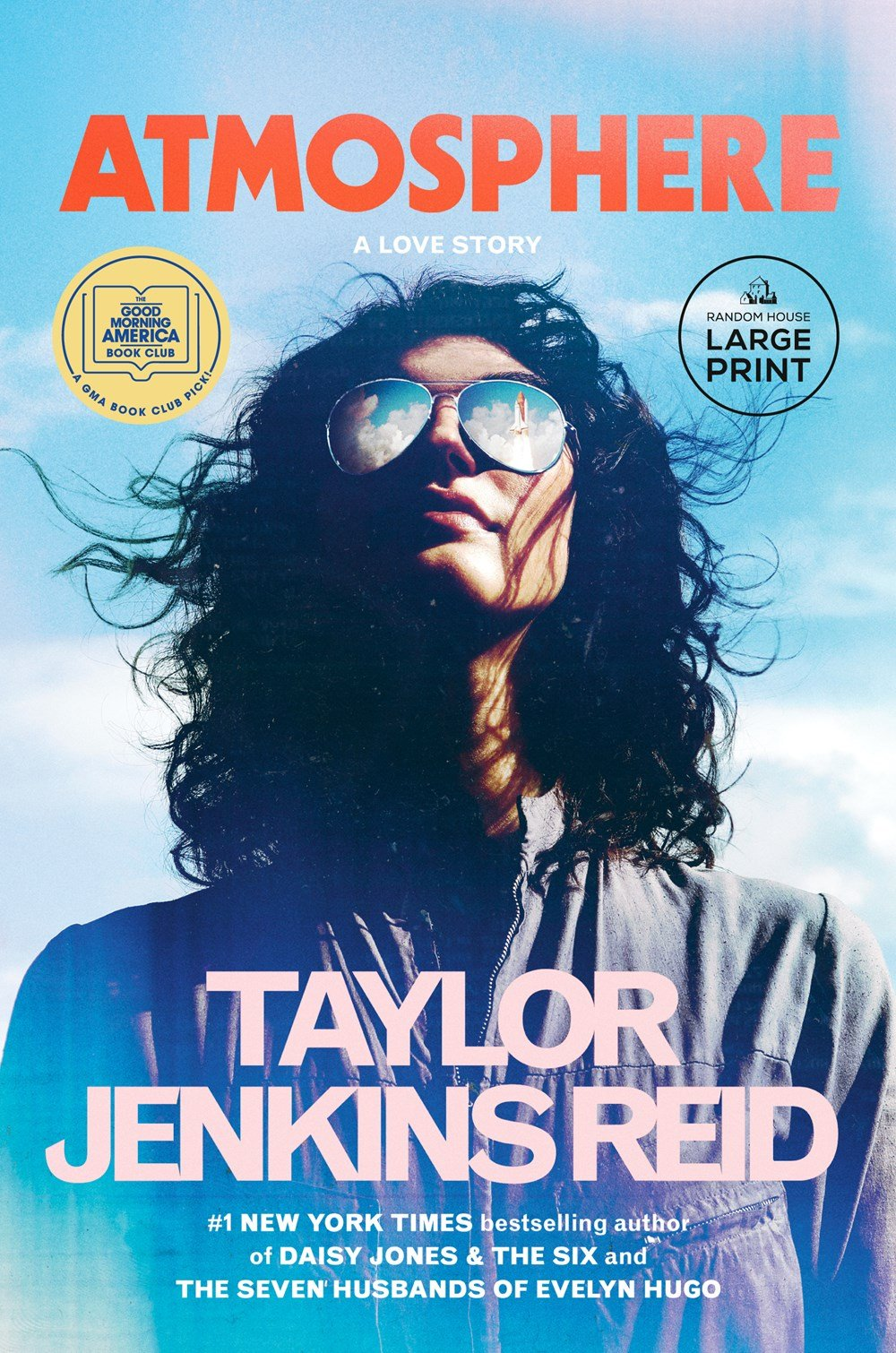
Atmosphere by Taylor Jenkins Reid

Again, not by typical genre, but after several people recommended the new book Atmosphere by Taylor Jenkins Reid to me, I added it to my tbr pile. I found the first section of the book to be really gripping and engaging and I also started to recommending it to people. This was the story of women (a woman?) who had passions and intellect, fully developed character sketches were emerging.

However, while most readers are going to love this, I found the center to be a deeply indulged love story, not unlike your typical Hallmark narratives, and again, most readers are going to deeply love this aspect of the book, I think, but for me, I guess I wanted more space content, more empowered women exploring space. This reaction kind of surprised me because while my interest in space has piqued in the last 6-ish years, I don’t consider myself deeply interested in space. Maybe I am!

This book has the two key elements of entertainment–love and adventure–and most readers are going to love that. The very ending, especially the very last sentence, are great and probably worth the read to arrive there.

Witches, Witch-Hunting, and Women by Silvia Federici

A few years ago, a colleague recommended I read Silvia Federici for my scholarship. At the time, I tried her Caliban and the Witch, but it was not what I was looking for. Fast forward to now, and I Federici’s Witches, Witch-Hunting, and Women is what I was looking for! This past fall, it was finally time. I started learning more specific history about the European witch hunts and started reading more theory about it. Federici’s Witches, Witch-Hunting, and Women offers an interesting Marxian feminist lens to the phenomenon, which helps inform my study.

While typical academic texts may not be for everyone, Federici’s Witches, Witch-Hunting, and Women may be the exception. I think the book may have a wider readership. The concepts are fairly accessible. And, it’s short!