Category Archives: family

On Earth We’re Briefly Gorgeous by Ocean Vuong

Although I was not in the right headspace, and although I think that definitely intensified the reading of this book, and although I may never be in the right headspace for this book, I recently finished reading Ocean Vuong’s On Earth We’re Briefly Gorgeous. I must say that I did want to set it down several times and never pick it up again, but I persevered. This is a book (and an author) that has gotten a lot of attention in my circles, and so I wanted to read it, even if just so that I could join those conversations. Now I’m glad I did read it of course.

This book is beautifully written and feels a lot like contemporary poetry to me. Line after line attends to the sound and the vocabulary and the complexity of meaning, and so it is rich. It is also about difficult things: war, exile, abuse, survival (the necessity to), the fentanyl crisis, and much more.

Kind of like Schindler’s List, this is a book worth reading, an important book, and an artistic book, but it is an intense and emotionally difficult book. If you aren’t in a good head space, I’d say you can put it off. You don’t need to read it right this instant.

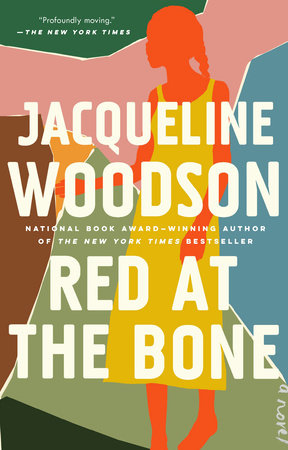
Red at the Bone by Jacqueline Woodson

Red at the Bone by Jacqueline Woodson is a short, readable, excellently written book that takes readers on a deeply human journey while also layering in historical context. One can’t really ask for me.

It seems like responsibility often skips a generation. One generation scrimps and saves and works to build generational wealth, and then the next generation can relax in that security, and then the next generation is driven to work and save, etc., in order to regain a sense of security, and then their children can relax again, and so it goes. For me, this book captured that.

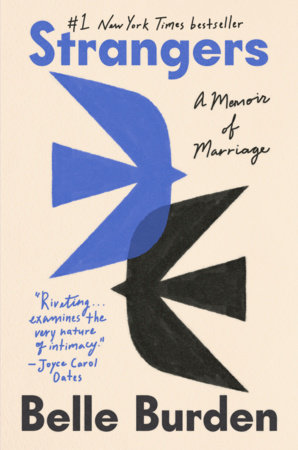
Strangers by Belle Burden

Strangers by Belle Burden might be the most written about book in recent memory, so I’m not sure I have much more to add. Everyone seems to have an opinion, and Burden is either lauded as a feminist truth teller or a woman who got a fair divorce and needs to move on.

What do I think? I think women should tell their stories, and I think this was an interesting and important story to tell. I think most insightful relationship stories are engaging, as long as the writer is insightful, and this one is.

I also think the institution of marriage is rife with challenges. Divorce rates are high, and the concept seems difficult to make work. I am jaded! None of the crazy stories surprise me at this point.

As you know, I’ve also been thinking more about the immense privilege in writing and how therefore we get a disproportionate view of that world of privilege. And it is an interesting world! Still, there are so many other stories that can’t get told due to lack of access, and that’s a shame too. This book makes me think of that.

Will I read more from from Burden? Yes. In fact, what’s more interesting, perhaps, is seeing what she’ll do next.

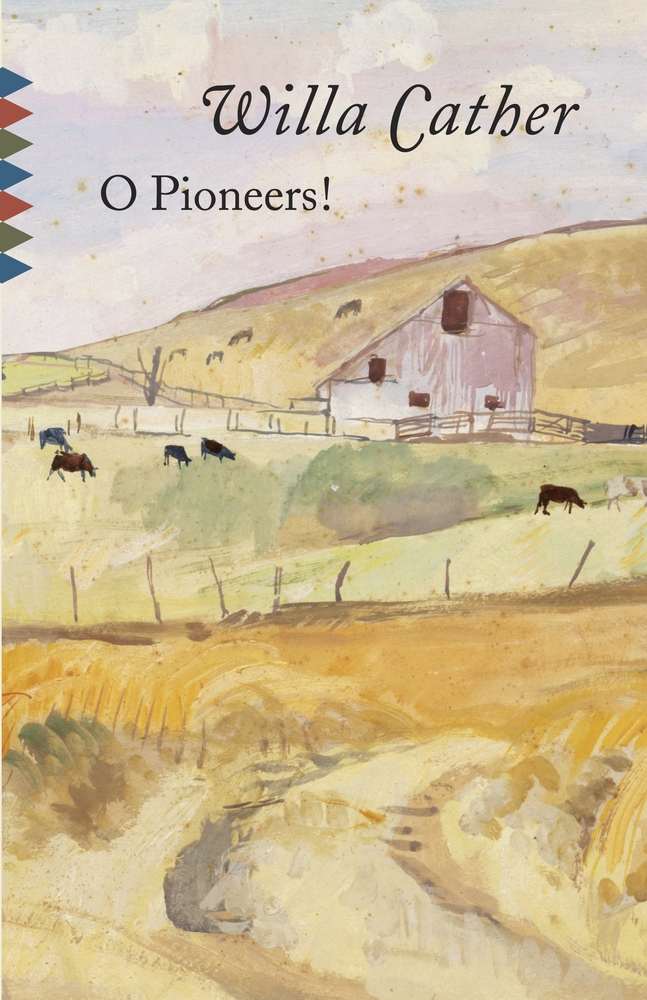
O Pioneers! by Willa Cather

It’s probably been a few decades since I read Willa Cather, and I probably read it for my undergraduate degree. So, I was surprised and delighted to get so much more out of the work now with more life experience and interest. O Pioneers! tracks the lives of immigrant farms in the heartland.

In recent years, I’ve been reading more U.S. history and have been especially interested in women’s stories and women’s journeys. This book was perfect: excellently written, lovely scenes to spend time in, and people whose stories I cared about. I could hear her influence in rural writers like Wendell Berry.

I also spent more time learning about Cather. And of course now I want to read more.

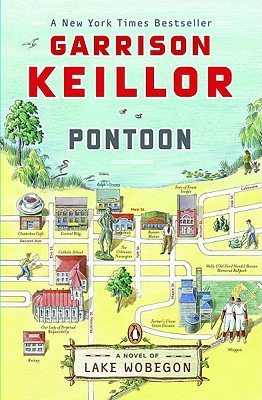
Pontoon by Garrison Keillor

I have recently recounted some of the great voices of radio from might younger days, including Paul Harvey and Garrison Keillor. As a result of this remembrance, I looked to see if there were any audiobooks by these voices, and that’s how I found Pontoon by Garrison Keillor.

This was a delightful book and a pleasant walk down memory lane, when times were simpler, my dear grandpa was my best friend in the world, and my little dreams meant everything–art more colorful, breakfast diners more chrome, coffee stronger, yet steady. My grandpa was an epic storyteller too. I miss him. Anyway, I could spend more time here.

Pure Color by Sheila Heti

I followed up Sheila Heti with some more Sheila Heti. Heti’s Pure Color is basically a work of contemporary theory. I appreciate the work that Heti and others like Maggie Nelson are doing in this area (and I secretly would love to join these authors in this form/genre).

For me, Pure Color read somewhat like How Should a Person Be?, which also was a book that was more *unique* than it was *pleasant* to read, imho. I had a hard time with the main character in the latter, but I found the main character to be…purer in Pure Color, and so I found that was all more palatable to me (which says more about me than about the quality of the book).

To me, Motherhood was by far my favorite and most resonant Heti book. Even still, that’s three Heti books in the past six months, so I think I’ll take a break! I might eventually check out Women in Clothes, but oof, it’s long!

Motherhood by Sheila Heti

In many ways, Motherhood by Sheila Heti felt like a continuation of my recent readings on motherhood and middle age from Miranda July and Claire Dederer. This book fit perfectliy within those conversations. These are people who grapple with the big question of whether or not to pursue motherhood when one is an artist, intellectual, and/or otherwise passionate about their career.

Needless to say, these philosophical wonderings, coupled with a gentle narrative thread, speak to me loudly. I recently read Heti for the first time last year. I appreciated when she was doing then, but I think this is the book I was meant to read.

Women’s Voices from the Oregon Trail by Susan Butruille

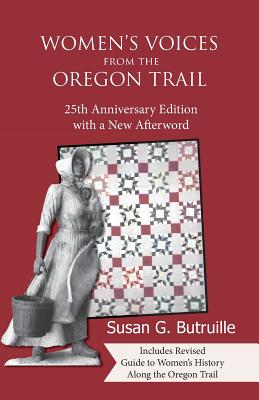
Women’s Voices from the Oregon Trail by Susan Butruille is one of the more niche books I’ve ever read, but what can I say? I was pretty engrossed all the way through. The writer drives the Oregon Trail from Missouri and shares diary excerpts and insights of what the trail was like, especially for the women. Butruille stops at historical sites and shares photographs and more insights inspired by those visits.

As a daughter of pioneers, I imagined my own relatives making a similar trek, imagined their lives and relationships and hardships. I think this book is even more relevant to those of us with that personal connection. A broader audience might be interested in the history. I think the rigid role of wife as domestic servant will be especially striking to some readers as well.

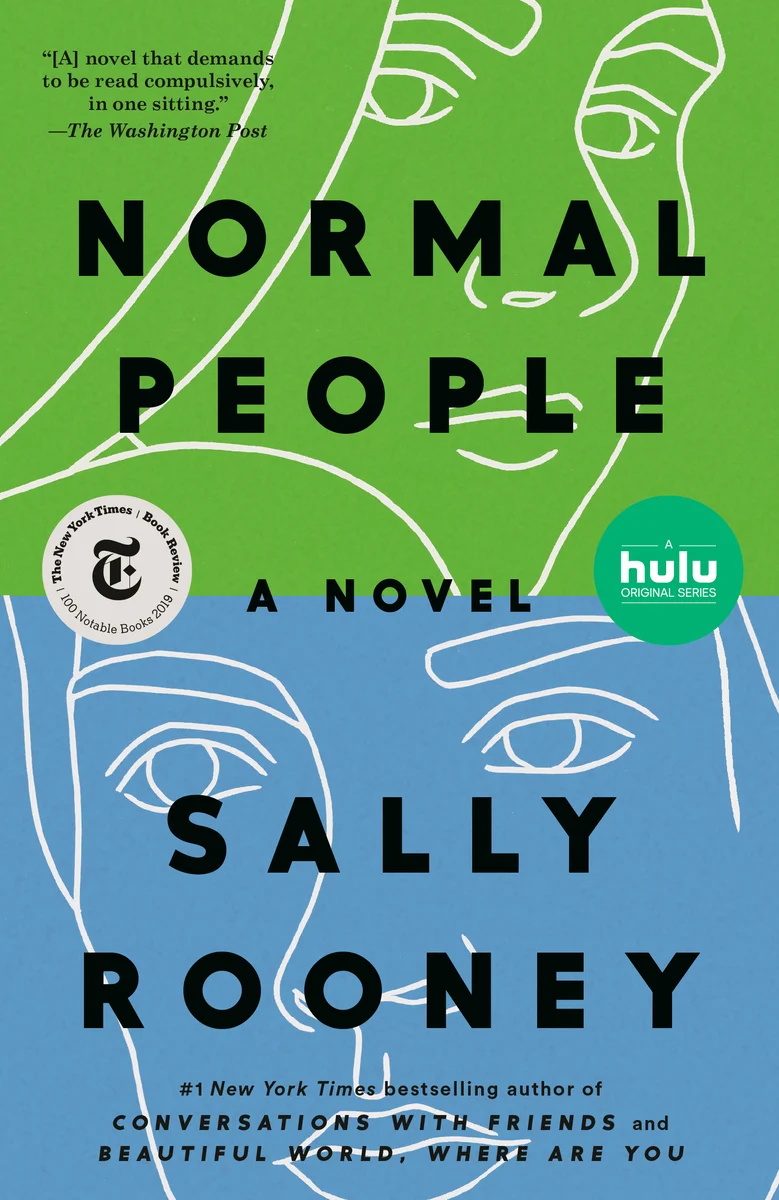
Normal People by Sally Rooney

Normal People was my first foray into Sally Rooney’s writing. I spent the first half wondering what the big deal was, then realized I was in for some sort of deep human insight and transformation, and ended the book appreciating that Rooney did deliver on those hunches.

I’m a little scared to read any more of her work, at least in this moment, because a few close friends have referred to it as tough, intense, and gutting (but great)! This is an author I’m sure I’ll return too, though, when I come across her work.

The Gentle Art of Swedish Death Cleaning by Margareta Magnusson

This pleasant little book, The Gentle Art of Swedish Death Cleaning by Margareta Magnusson, reminds readers to declutter as they go, throw away things as they become obsolete, and give away treasured items as gifts early and often.

This is a book that people in, say, their 60s and on, will probably enjoy. For all readers, it offers a quiet, pleasant reflection on life’s accumulations. The author also firmly believes in downsizing (moving to smaller housing), and I think this one difficult, but incredibly practical.

The book might be slightly mis-titled. I found myself just wanting this thing to be more personal memoir (with a death cleaning focus), and it was that, but I was interested to know even more about the author!