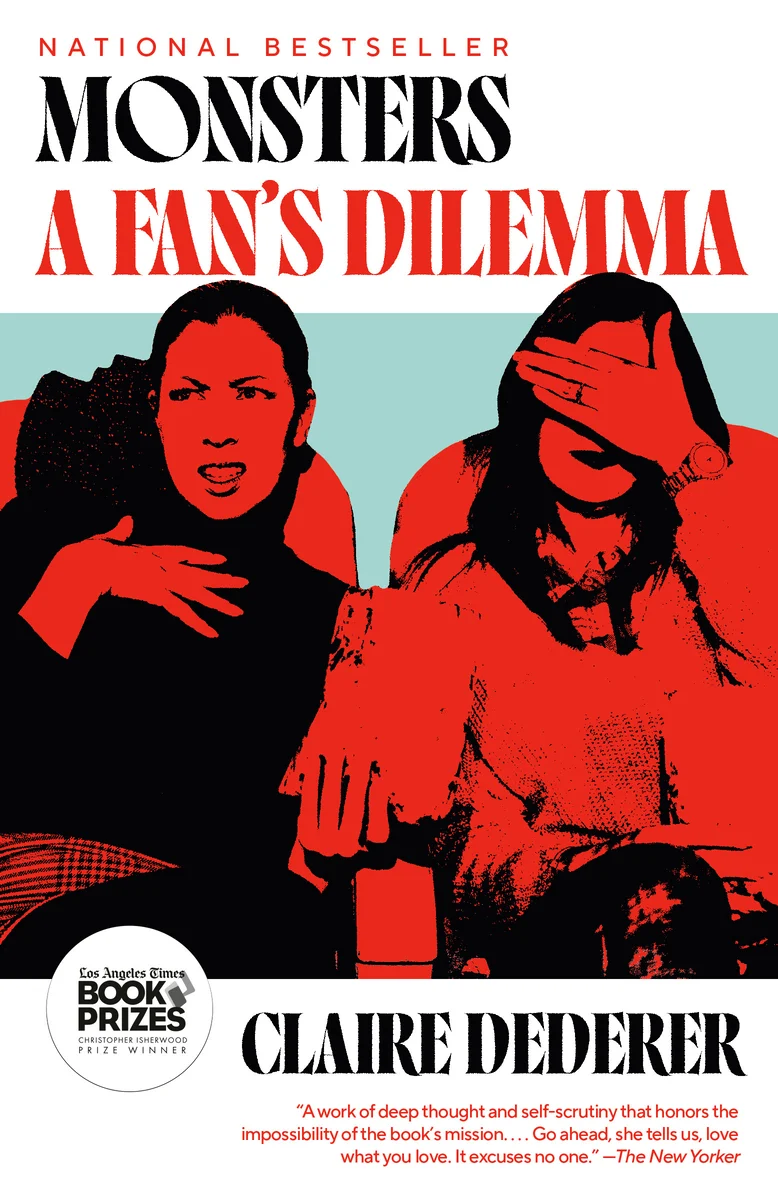
Category Archives: life

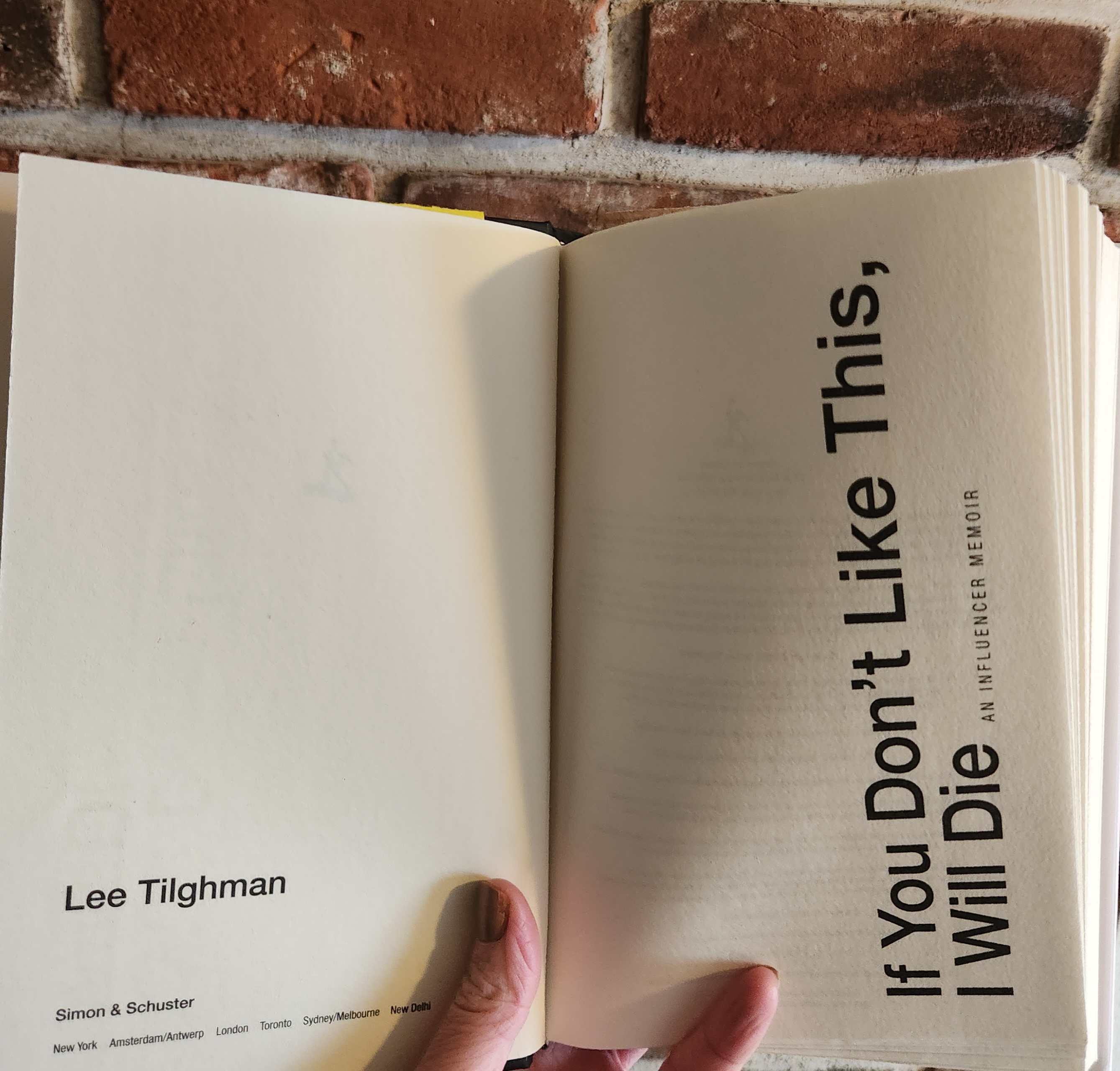
If You Don’t Like This, I Will Die by Lee Tilghman

When Lee Tilghman’s followers said she was problematic, out of touch, too privileged– that she should be cancelled–she responded with her book, If You Don’t Like This, I Will Die, where she basically says, “Yes, I am, and you don’t even know the half of it.”

What follows is a behind the scenes look at the life of an “influencer.” Most people follow influencers, and Tilghman offers a behind the scenes look at the work, the lifestyle, and the mental sacrifice that can go into that world. Things are definitely not what they seem. Tilghman’s book highlights just how all consuming social media is–from excessive time, to resources, and to our attention too, of course. Posting became her entire life. She saw everything from the perspective of a post, and she worked very hard at it constantly. But she was so focused that she could not enjoy regular life.

Many people say that social media makes people sad because it makes them feel fomo. I do not experience that. However, I do experience the time suck that is synonymous with social media usage.

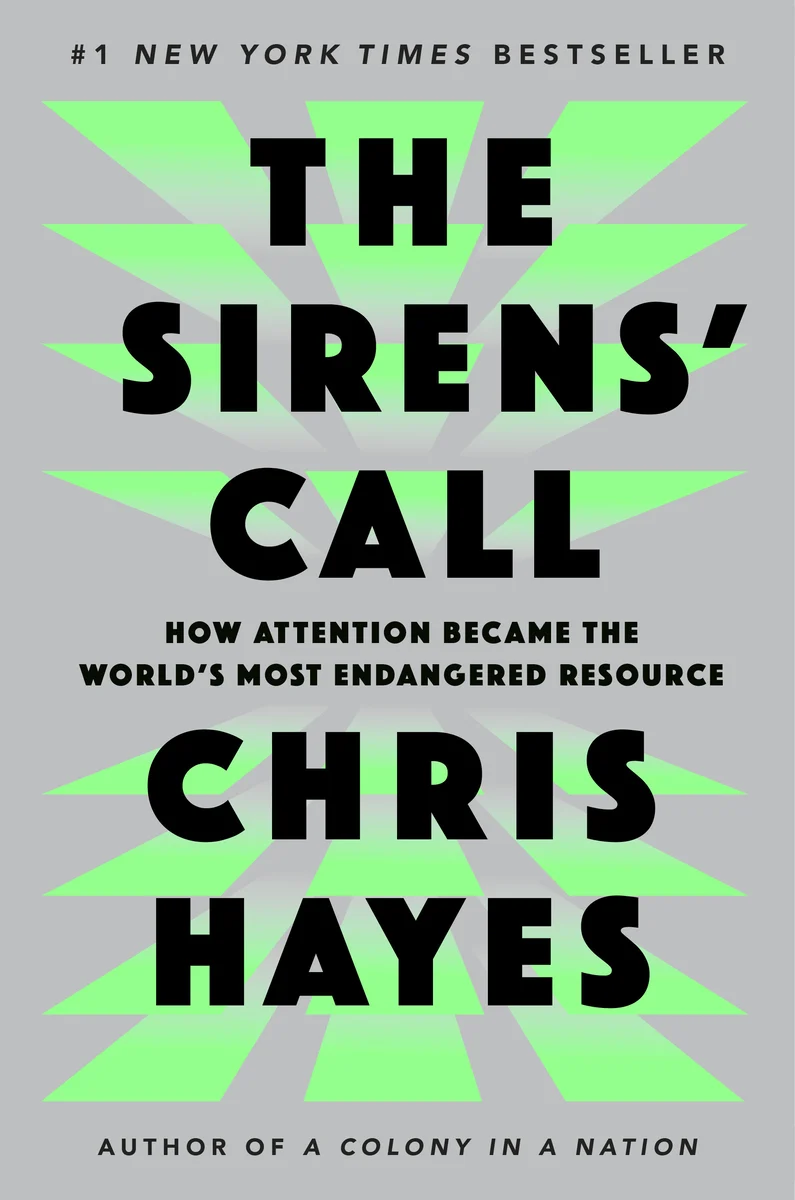
I paired this reading with Chris Hayes’s The Sirens’ Call, a book about the attention economy, and they work really well together! I recommend!

Rosarita by Anita Desai

Rosarita by Anita Desai is a book for literary readers who want to spend some more mental energy in the beautiful cities of Mexico. Decades have passed now since I spent a summer traveling through Mexico on a trip with my school, but this book brought back that wonderful sense of travel–the unique sights and sounds that can only be experienced by being in Mexico, as an outsider perhaps. Readers who do not have the same connect to the country will still enjoy the prose, the rich description, and the strange emotional journey of our main character.

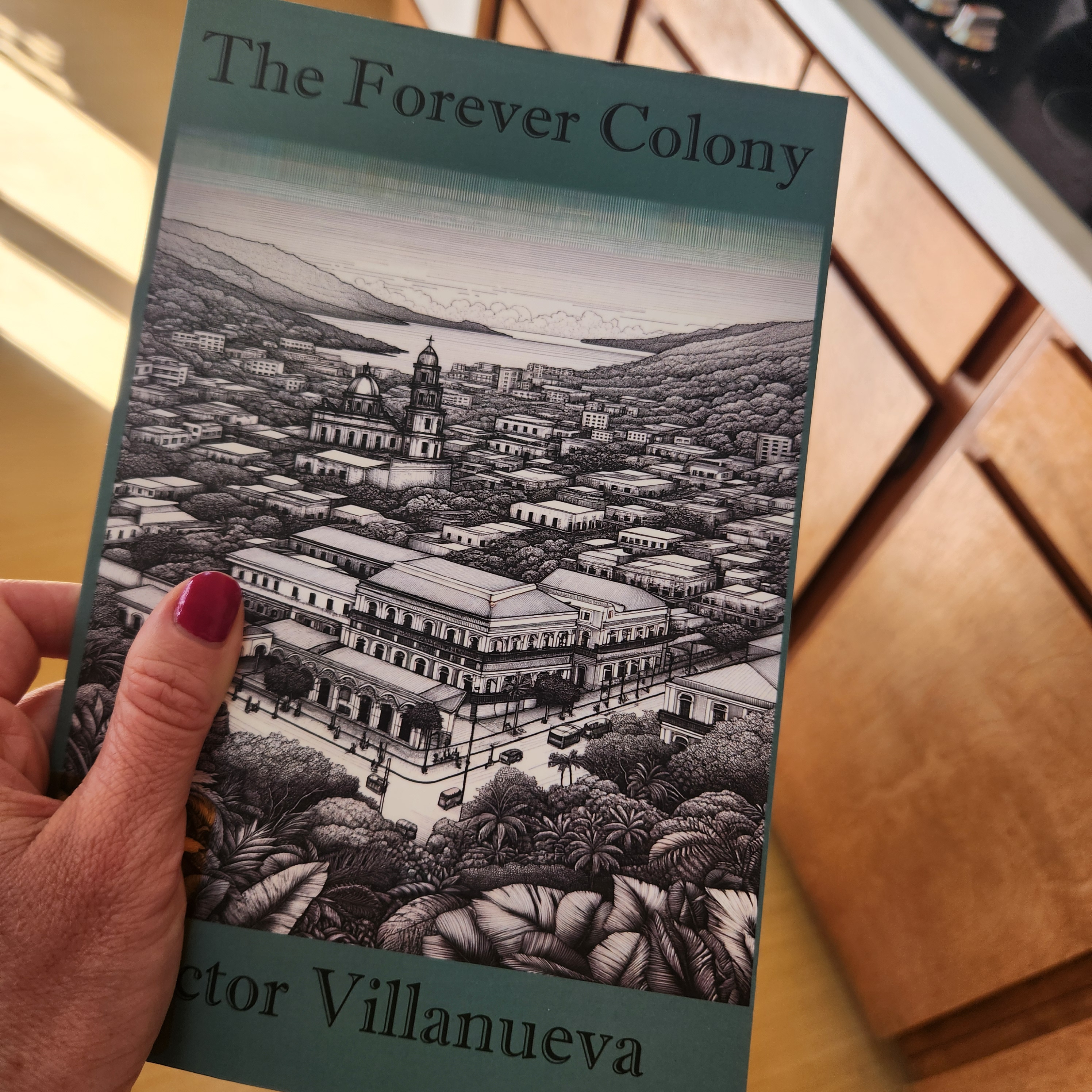
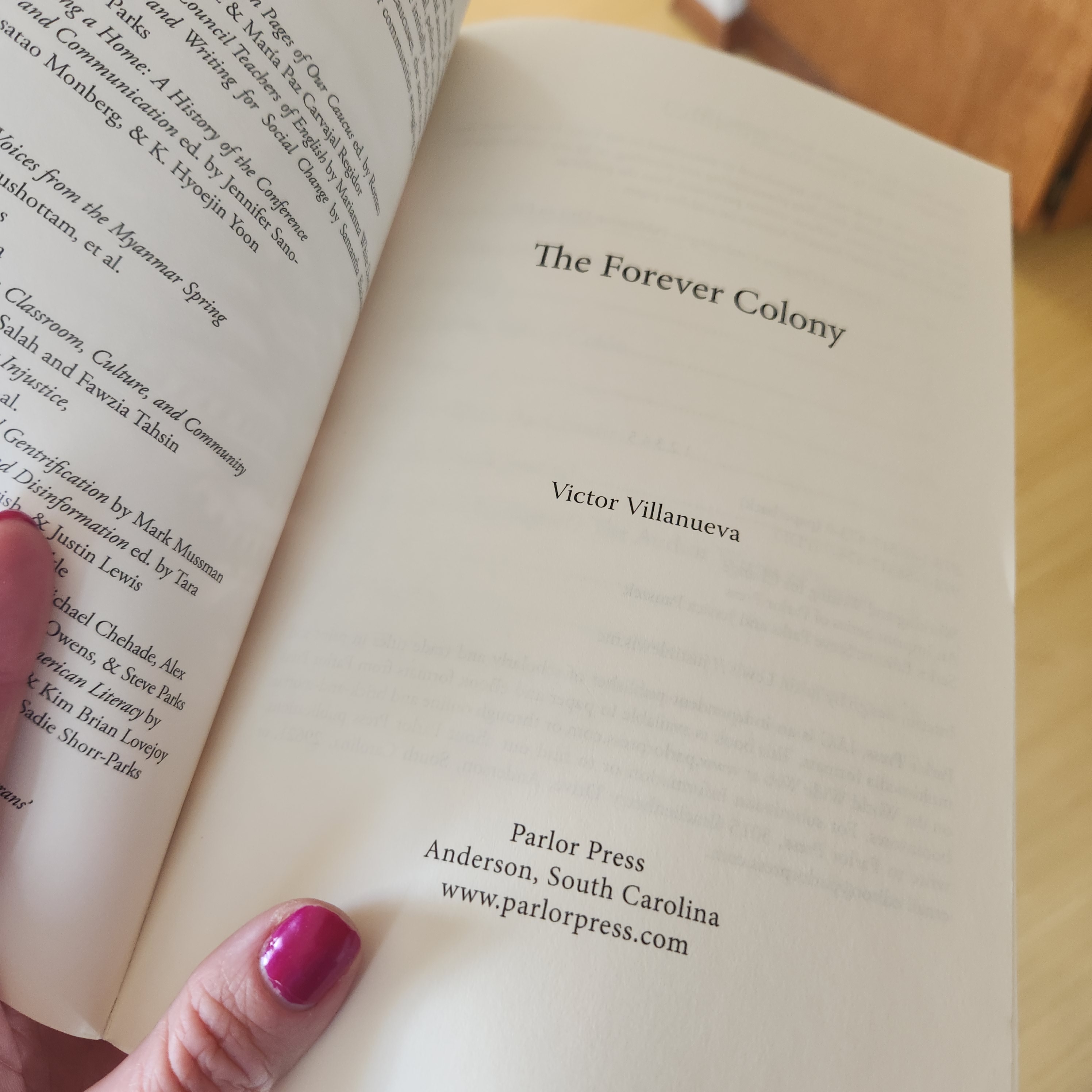
The Forever Colony by Victor Villanueva

I enjoyed The Forever Colony by Victor Villanueva tremendously. The book does the work of reclamation history and offers lovely prose and theory and magical realism. I was reminded of The Lost Journals of Sacajewea by Debra Magpie Earling, which does something similar, imho.

Who Is Government? by Michael Lewis (et al)

Who Is Government? is a book written by several writer/long form journalists, including Michael Lewis, who take a close look at areas of government that are frequently glossed over in new clips or political commentary. Specifically, individual public workers and their accomplishments are highlighted.

From this book, I learned more about the U.S. government. I was inspired by specific unsung stories of success and ability. For the successes, though, the book also ends on a flat line. The realities of social perception and the cultural roadblocks that literally stand in the way of saving lives are also hard pills to swallow.

Overall, I recommend the book as a reminder of what people are up to every day in their government jobs. Beyond the soundbites and glossy news stories, people are working methodically to improve lives, usually for modest pay and little recognition.

Mindset by Carol Dweck

All teachers should know and apply the concept of a growth mindset (this opposed to a fixed mindset). The concept is fairly common among teachers, simple to grasp, and truly can be life changing if effectively applied and integrated.

I thought I sufficiently understood and applied the concept. However, I decided to read the whole book, Mindset by Carol Dweck, for some research I’m doing and gained a lot more by doing so. Yes, the concept is simple, straightforward, and easy to grasp, but the book includes many examples that illustrate different concepts, many of which really helped deepen my concept of what fixed vs. growth mindset can look like in different settings. It was enlightening!

This is a concept that is broadly applicable to all humans, not just teachers and (active) learners. (Hopefully we all never stop learning.

The Deep Places by Ross Douthat

If you have ever been plagued by an illness that nobody could understand, and that no doctor could diagnose, that no medication could alleviate, and if you have ever had your otherwise reasonable self brought to the brink of insanity by said illness, then The Deep Places by Ross Douthat will likely be a good read and possibly even a comfort to you.

This book offers a tale of a man, and a family at the top of their game, who then are brought to their knees by a mysterious illness. The book offers insight into the experience of chronic illness, but it also takes an honest and stark look too, in that nerdy mix of insight, religiosity and theory that Douthat is known for.

If You’re Seeing This It’s Meant for You by Leigh Stein

If you’ve found my corner of the internet, then you’ve likely found other odd little corners of the internet too, and that means Leigh Stein in If You’re Seeing This It’s Meant for You is going to sling some references your way that will feel intimate and weird and odd to be known, but also you will feel seen.

It’s a 21st century gothic novel, and definitely outside of my normal wheelhouse, but so far I’m liking everything by Leigh Stein, so to you I’d say, trust the process. This book has great, knowable characters, and the setting is a place where readers will want to spend some time.

In her bio, Stein writes that she “makes fun of the internet,” and she does. But I think her work goes much deeper than that too. There is some great social commentary, and the themes feel like they could sustain a level of inquiry that you find in a college classroom. Yes, I think you could teach this novel!

Audition by Katie Kitamura

This is the first book I’ve read by Katie Kitamura, and I thought it was great! This is a 2025 release. I rarely read brand new books. In fact, this might be the only 2025 release on my reading list this year.

Audition is a very concept-y book. I assume this is Kitamura’s “thing” because it’s quite unique–this specific type of concept-driven prose, I mean–but can’t say for sure since I haven’t read her other works yet.

The book is, without doubt, very carefully and artfully written. The pacing is like a dictionary, and yet the characters all feel very human and knowable. The book’s takeaways and insights, always shown with subtlety, are profound.

The Comfort Crisis: Embrace Discomfort To Reclaim Your Wild, Happy, Healthy Self by Michael Easter

Here’s another of the self-help genre I’ve been reading lately: The Comfort Crisis: Embrace Discomfort To Reclaim Your Wild, Happy, Healthy Self by Michael Easter. These books pump me up for exercising and following other habits that are healthy for me, but that I don’t naturally gravitate toward, and that’s exactly what this book is about–doing the hard but healthy things.

Some of the best ideas in the book had to do with healthy movement and being outdoors. Like many, most of my exercise is not necessarily natural, and while not completely ideal, it’s still better than nothing. The book reminded me why yard work, harvesting, and shearing sheep feels so good (afterward). This kind of work can be hard. It can be annoying. It can be uncomfortable, but I always feel better afterward. The impact is tangeable.

I don’t necessarily know what to do about the increasingly sedentary life that I live and/or what it will mean for my kids or society, but for now the book reminds me to get outside, go for walks, and continue to prioritize the seasonal rituals I grew up doing, even if and when they become obsolete or inconvenient.

The 5 Types of Wealth by Sahil Bloom

The 5 Types of Wealth by Sahil Bloom landed on my tbr list after reading a slew of self-help, optimization, and investing books. I like reading these on the side, especially when I’m deep in routine (exercise, skin care, meal prep, work goals, etc.) and benefit from the encouragement these books can offer.

However, I started this book because I thought it was about investments. I unthinkingly thought it would offer some deep analysis of five different types of investing. I was wrong. This book is actually more of a self-help book. The emphasis is that you will die. So, you might as well optimize your life to achieve what you want while you can.

Overall, this book offers that good self-help pacing. And, there is information about one of the types of wealth, which is financial, and there is a good overview of that included. However, much of the book is about other types of wealth, like personal health and deep, rewarding relationships.