Category Archives: nihlism

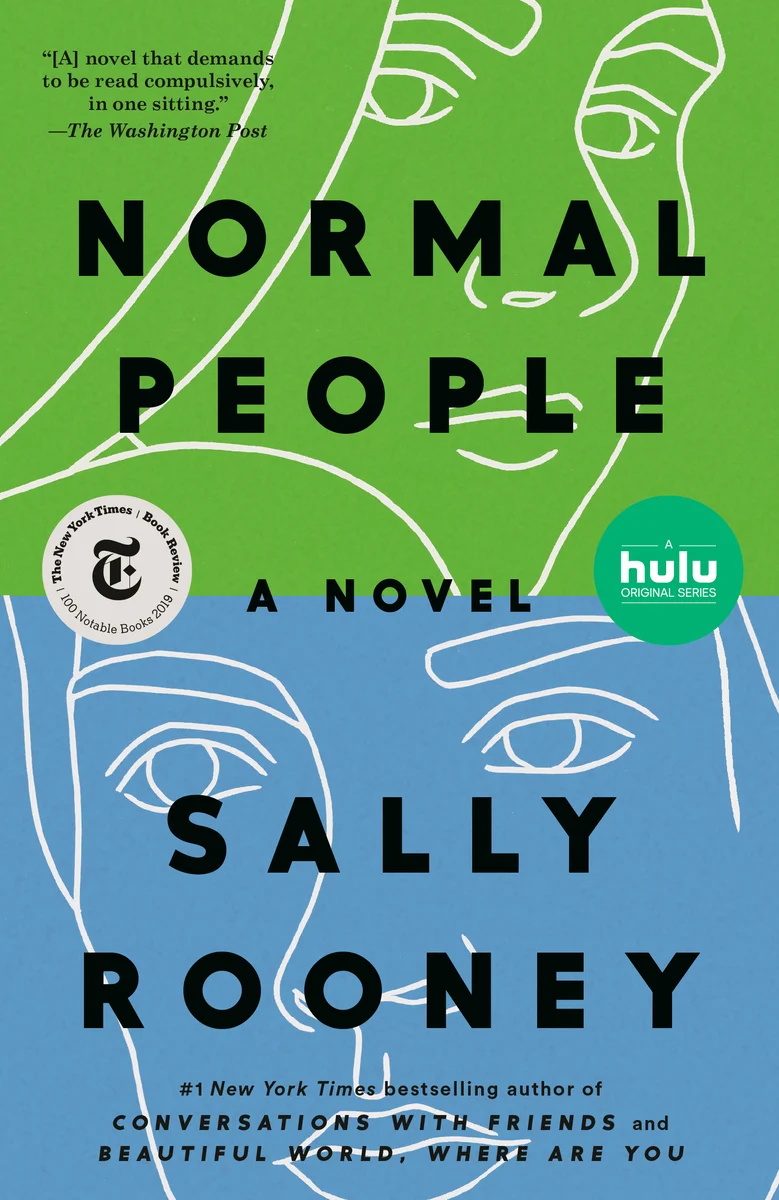
Witches, Witch-Hunting, and Women by Silvia Federici

A few years ago, a colleague recommended I read Silvia Federici for my scholarship. At the time, I tried her Caliban and the Witch, but it was not what I was looking for. Fast forward to now, and I Federici’s Witches, Witch-Hunting, and Women is what I was looking for! This past fall, it was finally time. I started learning more specific history about the European witch hunts and started reading more theory about it. Federici’s Witches, Witch-Hunting, and Women offers an interesting Marxian feminist lens to the phenomenon, which helps inform my study.

While typical academic texts may not be for everyone, Federici’s Witches, Witch-Hunting, and Women may be the exception. I think the book may have a wider readership. The concepts are fairly accessible. And, it’s short!

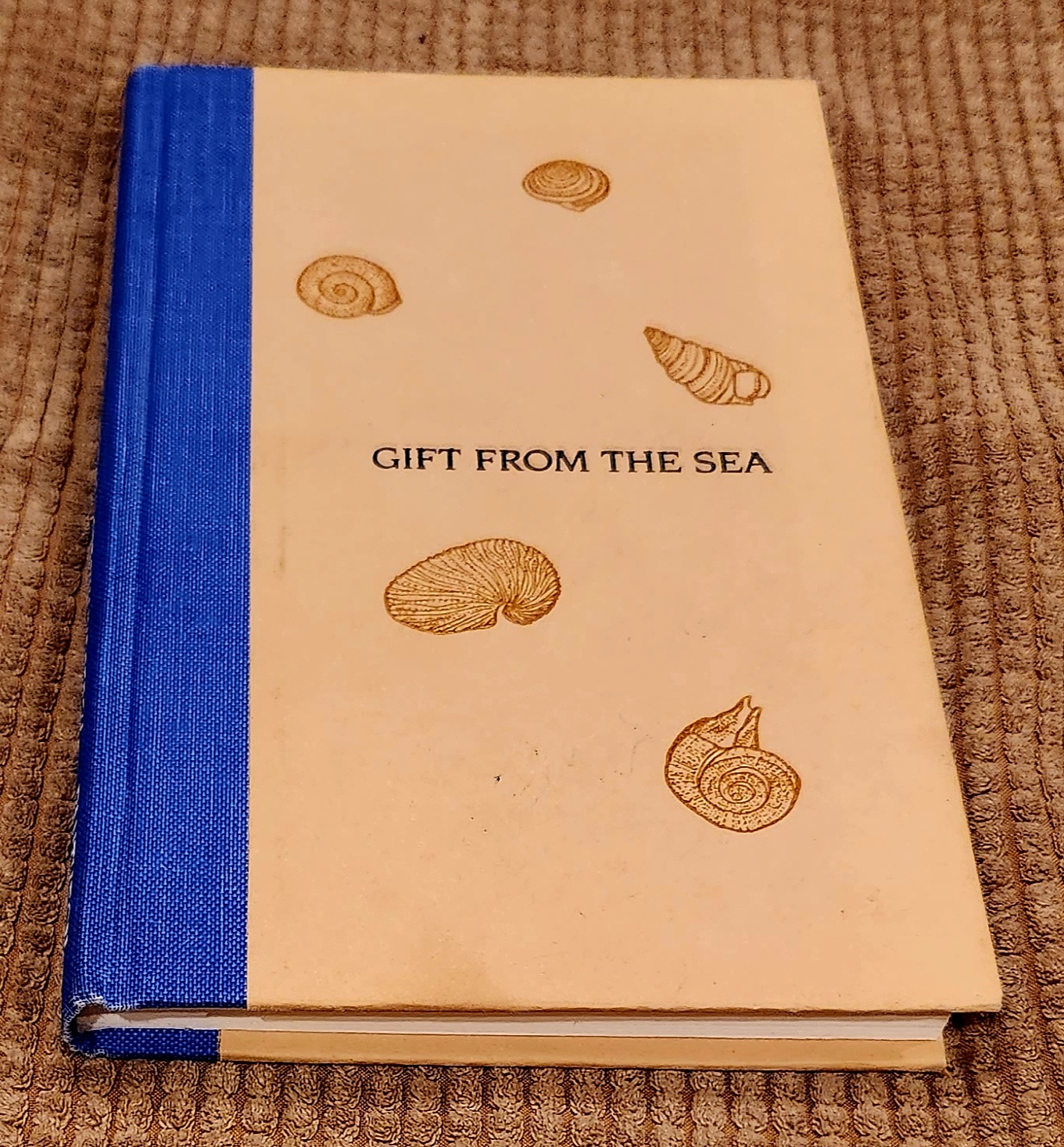
Gift from the Sea by Anne Morrow Lindbergh

At this point, I’m not sure if I’ll get through any more books from my tbr pile, so Gift from the Sea by Anne Morrow Lindbergh might be my last book of 2025! I found this little gem in a little free library awhile back. Mostly these little libraries are full of throw away titles, but there’s one a few blocks from the house that is carefully curated, and I’ve found several high quality children’s books and decent literary titles over the years.

I took a quick glance at this book and saw that the writing was literary-quality and that the author was female and that it was old–all good signs–so I grabbed it. Here’s why they are good signs: there were not a lot of women writing 100 years ago, so those who were published tended to earn their place, and secondly, this book was a reprint from the original, which was published in 1955. The fact that publishers are still putting effort into keeping the book in publications is a good sign!

The book itself is, perhaps, not the feminist anthem that some hope it would be, but the message is important, if not too class-based, and that message is the fact that a woman should have the opportunity not just to have a room of one’s own, but also to have an annual two-week vacation of one’s own. And I agree!

After reading a chapter, I got curious and looked up the author. I quickly realizing that the author is also the mother from the famed Lindbergh kidnapping! I read on.

The book’s setting is lovely, in rustic a vacation home on a tropical beach, admiring the sea and the seashells it offers to the shore. How idyllic! The insights are not inconsequential and demonstrate an understanding of social class and the social movements of the time, which was before second wave feminism.

This book is worth reading for those interested in tracing feminist thought over the last century because I do think the author’s writing adds to that opus. However, the writer is also cautious and relatively safe with her ideas. I would have loved a deeper sense of place, and a deeper sense of self. Instead, it read more like theory in that regard. As a reader, I found myself wanting more specific personal reflection, one that pointed to a unique person (Anne Morrow Lindbergh’s life on paper was fascinating!), but she reveals none of that and instead mostly sticks to pairing insightful platitudes with observations inspired by nature–in this case on the beach during her two week vacation–which is a worthwhile endeavor.

A Mountain to the North, a Lake to the South, Paths to the West, a River to the East by László Krasznahorkai

Like the long title, this book is full of long passages, sentences that are entire paragraphs long. Entire chapters, in fact! A Mountain to the North, a Lake to the South, Paths to the West, a River to the East by László Krasznahorkai is a strange and fascinating medication on obsession, focus–deep, deep focus–of the absurdity, of the pain and beauty of life. Big stuff.

Krasznahorkai won the Nobel Prize in literature this year, and so I grabbed this book to see what he was all about. The deep descriptions in this book is what does it, I think. Krasznahorkai pairs deep description with complete control and poetry on the line level, informs, and conveys to readers some deeper understanding of the human psyche than they otherwise would have known. Yes, Krasznahorkai wins this award.

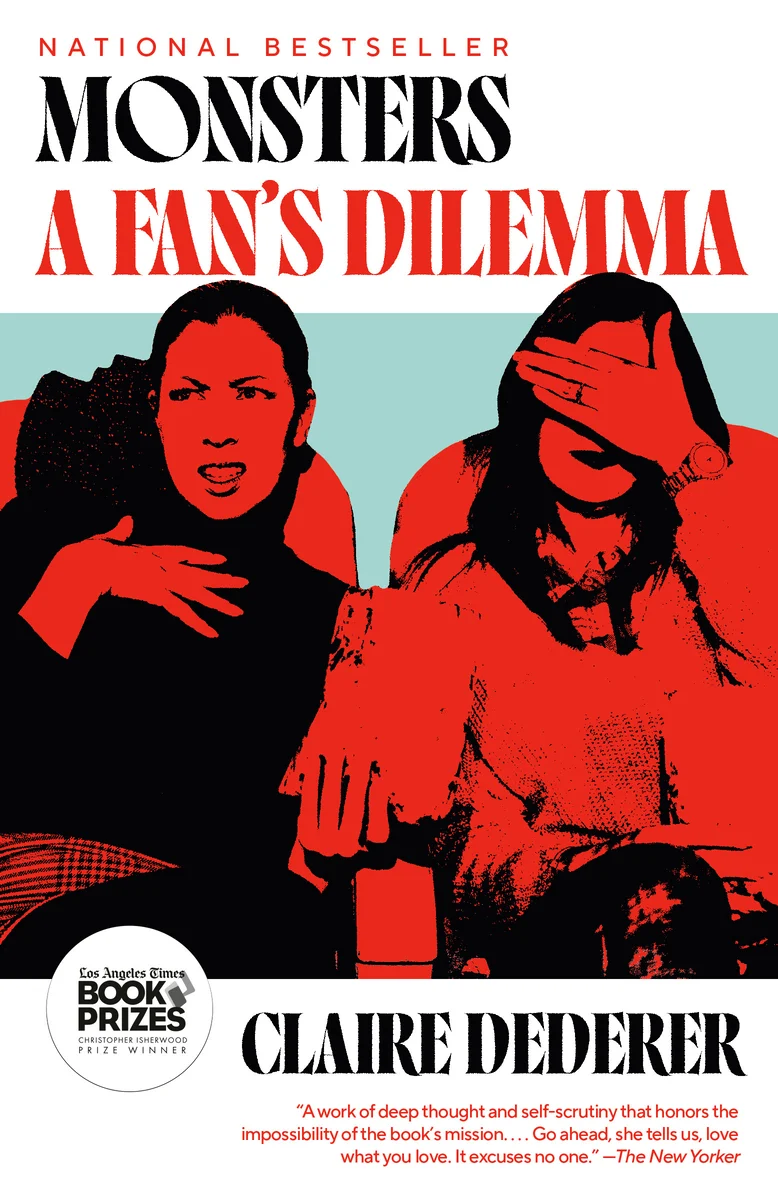
Monsters: A Fan’s Dilemma by Claire Dederer

Now this was a fascinating book! In Monsters: A Fan’s Dilemma by Claire Dederer, Dederer offers monstrous male artists (in every form) and analyzes their audience. As an avid reader, and citizen of the world, I am somewhat interested in the question, especially in the wake of the “me too” movement and subsequent “cancel culture.” Dederer wrestles with the question and avoids simple soundbites and quick solutions.

As a reader, I was interested in our similarities and differences. We both love Woody Allen movies, but she loves Polanski and I can take or leave his work. She has a distaste for Hemingway, and I still think his work is extraordinary. We both love Carver.

However, what was most interesting to me was in the last half of the book, when she turns her lens toward herself: “Am I a Monster?” and “Abandoning Mothers.” As a mother and an intellectual and an author, and, maybe above all else, someone who delights in deep focus, the questions Dederer asks are those that I share.

A question arises, “Do my children matter as much as my writing?” Dederer seems to have a good relationship with her children, seems to have balanced it all in some kind of positive way, but it was not without struggle.

However, for me, this is not the question, but rather an adjacent statement, which is that I matter too. Contemporary motherhood culture has women give of themselves so completely that there is no space for exploration, creation, for the self of the mother/person. To me this is intolerable, and I find myself needing to claw out a space for myself within the rigid expectations of motherhood within my culture, also still while the other thing is true: I love my children and feel deeply grateful for them. Plus, they inspire a greater depth of work in me that I otherwise could have created. And, amid all of these realities, I matter too.

If You’re Seeing This It’s Meant for You by Leigh Stein

If you’ve found my corner of the internet, then you’ve likely found other odd little corners of the internet too, and that means Leigh Stein in If You’re Seeing This It’s Meant for You is going to sling some references your way that will feel intimate and weird and odd to be known, but also you will feel seen.

It’s a 21st century gothic novel, and definitely outside of my normal wheelhouse, but so far I’m liking everything by Leigh Stein, so to you I’d say, trust the process. This book has great, knowable characters, and the setting is a place where readers will want to spend some time.

In her bio, Stein writes that she “makes fun of the internet,” and she does. But I think her work goes much deeper than that too. There is some great social commentary, and the themes feel like they could sustain a level of inquiry that you find in a college classroom. Yes, I think you could teach this novel!

Audition by Katie Kitamura

This is the first book I’ve read by Katie Kitamura, and I thought it was great! This is a 2025 release. I rarely read brand new books. In fact, this might be the only 2025 release on my reading list this year.

Audition is a very concept-y book. I assume this is Kitamura’s “thing” because it’s quite unique–this specific type of concept-driven prose, I mean–but can’t say for sure since I haven’t read her other works yet.

The book is, without doubt, very carefully and artfully written. The pacing is like a dictionary, and yet the characters all feel very human and knowable. The book’s takeaways and insights, always shown with subtlety, are profound.

Spiral Staircase: A Meditation on Alchemy by Alyssa Spungen

Normally I post these books in the order that I complete them, but looking back through my notes, it appears that I didn’t get around to posting about this one, which I also read this summer.

I initially bought Spiral Staircase: A Meditation on Alchemy by Alyssa Spungen because the publisher, White Stag Publishing, is just so intriguing. They are an indy press that specializes in the spooky, mystical, spiritual realm, but with literary quality. (This combo is RARE!) They also offer kits that go along with the books, which include things like candles, tokens, and charms that all align in some thematic way with each individual book.

This book, and the kit that came with it, offered such a lovely and meditative experience. The whole thing kind of felt like a spa day–to open a package, light a candle, look through the little treats, and then read a book of poetry. It was a unique experience, but one I would definitely treat myself to regularly whenever the press publishes works that catch my eye. Spiral Staircase is a beautifully woven tapestry of poetry with themes of spiritual alchemy artfully tied in throughout.

How Should a Person Be? by Sheila Heti

I have a quick follow up after yesterday’s post because I just also recently finished How Should a Person Be? by Sheila Heti.

Lately, I’ve had a hard time telling if some main characters are intentionally or unintentionally insufferable, and this is one of those instances where I couldn’t always tell. The main character is supposed to be insufferable to a degree, sure, but to this degree? I’m not so sure.

That said, with books like these, I’m always glad they get published. I’m glad this was published. For most, this is worth the read. However, if you are feeling a bit on the sensitive side, maybe skip this one (for now). There is a wandering, an aimlessness, and unknowing that may be comforting, but there is also deep friendship and closeness, which I could imagine may feel alienating to some. There is also some short sections of depravity that may be better left unread by some.

For the average reader, acquainted with and able to stomach what I’ve mentioned above, do read this unique book.

Women by Chloe Caldwell

I had two of Chloe Caldwell’s books in my backpack, and so I read them back to back. Women by Chloe Caldwell is her more well-known book, and I do think it it has the most literary merit and staying power of her work that I’ve read so far. Caldwell offers a very focused, very detailed immersion into an intense, obsessive, and destructive relationship with a woman.

This book is not the triumphant lesbian novel I think people want it to be. It is unclear to the reader the extent that Caldwell is lesbian, bisexual, or heterosexual, and this is a key question throughout the book–for Caldwell and for her readers.

A clear look at the experience of being intensely caught up in forbidden love is the point of the book, I think, and also just that experience of living life as a human with desires, stupidity, and pleasure, plus some good old fashioned bed rot and mental illness. Most readers with a beating heart will recognize at least some pieces of this book.

I’ll Tell You in Person by Chloe Caldwell

I read I’ll Tell You in Person by Chloe Caldwell right before reading her other more well-known and previous book entitled Women. The book reads as a memoir and Caldwell as the main character is unhinged and insufferable, but recognizable, and this seems intentional and is the interesting thing about this book.

Caldwell’s depictions of coming of age in the 90s and early aughts is detailed and nostalgic, and this part will resonate with most readers who have lived through that era.

There’s something to say about privilege/social class and mental illness, but I’m not sure what except maybe just that people with support networks can experience drug addiction and depression more safely than those in more precarious situations.

I found myself wishing I’d read the book 20 years ago, but it was published in 2016.