I read twice as many books this year as the year before, and although this year still felt very hectic, wrapped up entirely with child care, farm prep, and work work, I feel like somehow I hit my stride and was able to read a few books during key breaks throughout the year. Here’s hoping I can continue this pattern into the year ahead.
When I reflect on 2021, I think of the losses from covid, both my cousin and my friend and daycare provider, and the sudden and tragic losses of my “online” friends, Lauren and Kamel. I think of the vaccine! But, then I also think of the conspiracies surrounding the vaccine and the ongoing political strife.
I also think of my beautiful babies, and watching them grow and getting livestock for the first time in my adult life, starting with the bottle calves and ending with the Icelandic and Shetland sheep.
I planted seeds and watched them grow and wilt and die, and I built fence with my own two hands, and sheared sheep, and applied for tenure, fed sourdough starter, and fed my babies, and put them down for naps, and felt overwhelmed and over extended, and also, sometimes, I carved out time for myself, and I made a little time for creativity and joy, and I’m hoping for more of that in the coming year.
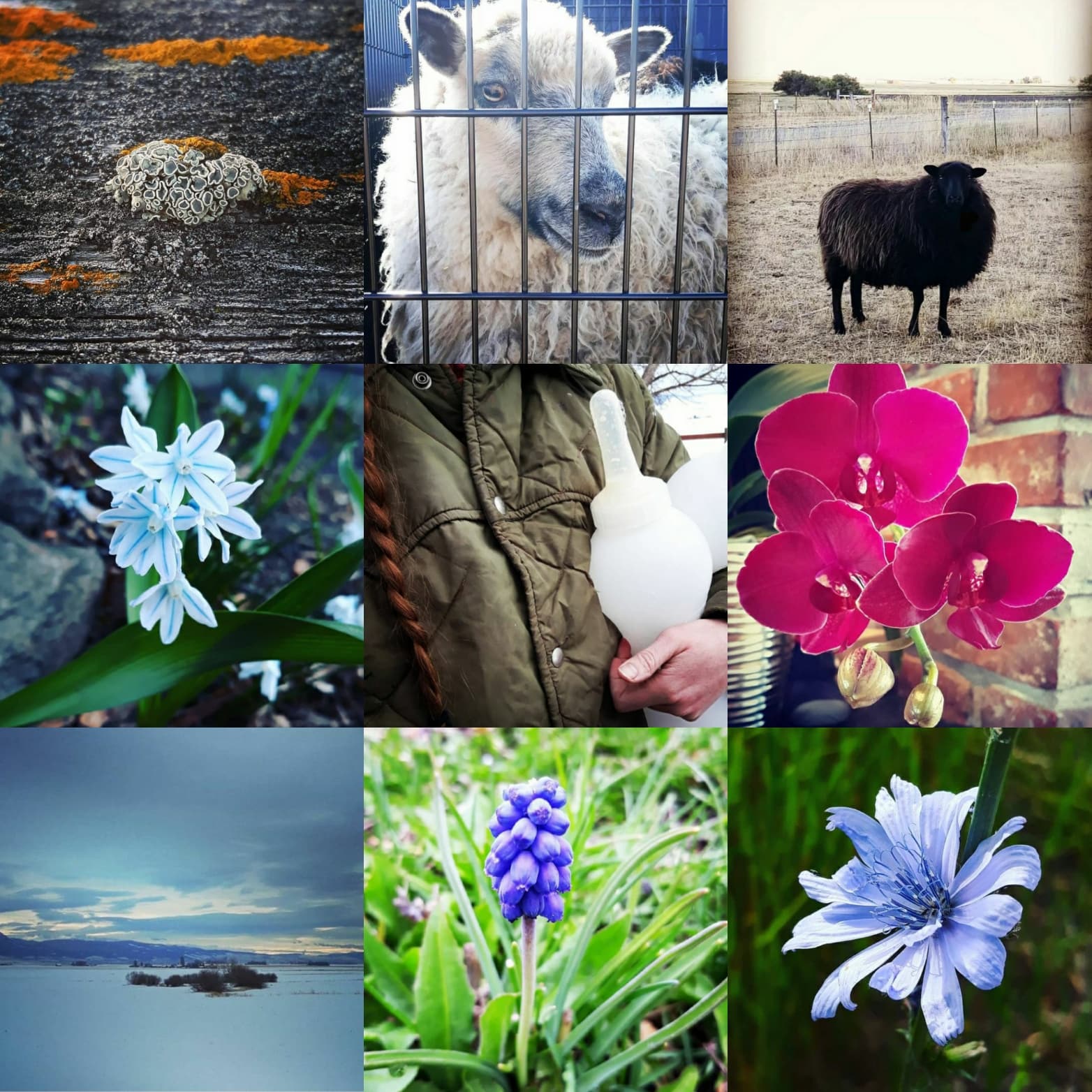
The favorites from Instagram this year were a photo of lichen on an old wooden fence, bringing home my Shetland ewe, Lavender, Melody, looking very dark out in the pasture, a blue stripped flower from my great grandma’s garden, which I lost access too this year, unearthing my decades old chore coat to bottle feed calves, orchids reblooming, a new year’s day landscape taken from my home, grape hyacinth in springtime, and a light blue chicory flower that grows like a weed here on my little farm.
When I was a little girl, I was given a bummer lamb (a lamb that needs to be bottle fed) and the 1976 copy of Raising Sheep the Modern Way by Paula Simmons. I named the lamb “Sweet Pea” and loved taking care of my little pet. Growing up on a cattle ranch, I found the size of the cattle to be a little intimidating. I’ve never been a huge horse or dog person (although I’ve met many lovely individuals). Sheep, on the other hand, were just the right size!
I used my birthday money savings and bought two purebred Montadale ewes and started my little sheep herd. I did 4-H and FFA and quickly transitioned to Suffolk and Suffolk cross sheep, since that was primarily the breed used for market lambs in my area. Over the years, I read Raising Sheep the Modern Way many times as a reference book.
I enjoyed every minute of my time raising sheep and always hoped that I would be able to raise them again some day, although, with the price of land and so many other factors, I had a hard time imagining how that would ever happen. My mom kept a little herd after I graduated, but sold them nearly a decade ago. As for me, it’s been over 20 years since I personally owned sheep. Now, so many years later, I am finally at a place where I can raise sheep again. I have a little farm of my own, and this year I began the process of building sheep-tight fences, researching the breed of sheep that would best suit my situation, finding breeders, and, yes, purchasing sheep!
I decided on two polled Icelandic ewes, Frida and Freya, an Icelandic ram, Duncan, two Shetland ewes, Lavender and Melody, and a Shetland ram, Hugh. I wanted a multipurpose breed of sheep, and I wanted to keep the numbers small. The two breeds of sheep, Shetland and Icelandic, are quite similar, both have great wool for spinning in a variety of colors. I will also be doing all of my own shearing, so I also need a smaller breed that is manageable.
Since I have sheep again, I dusted off my old copy of Raising Sheep the Modern Way and read it front to back. This time, I was much more interested in reading about fleeces, recipes, and other sheep-related products that I was less involved with the first time around. It’s a great reference book with an author who is clearly knowledgeable about sheep and loves the species. Over the years, I have read several other sheep reference books, and they are not as good. Frequently, the author has much less experience with sheep, raising them for only a few years before attempting a book, or raising hair sheep, which are far less common, with much different management needs, or they aren’t specializing in sheep, but raising a small flock, alongside many other species of livestock. Meanwhile, the author of this book, is deeply specialized in sheep, with decades of experience.
This book obviously isn’t for everyone, but if you’re raising sheep, or interested in raising sheep, this is the book I recommend.
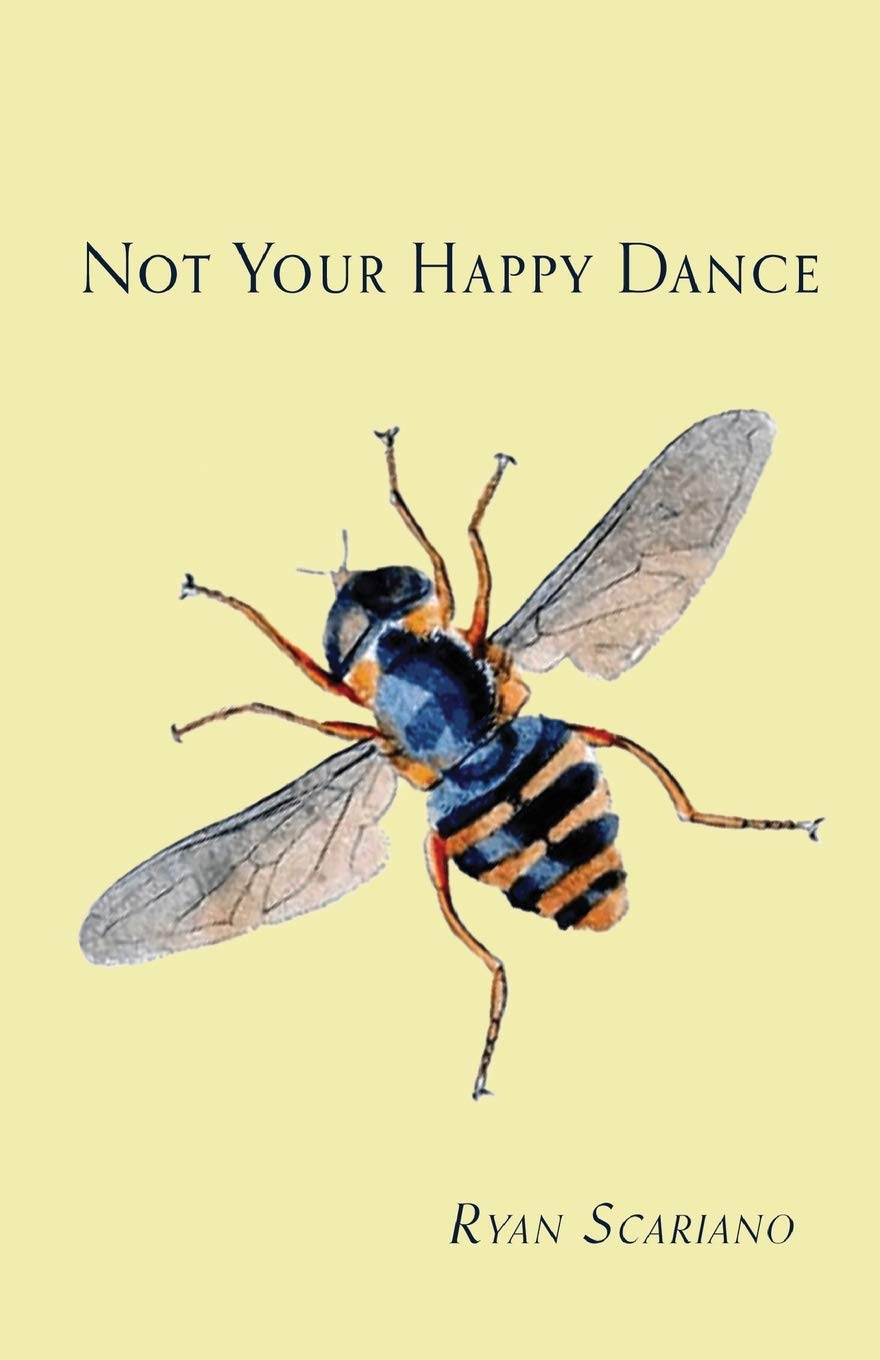
The author is a friend and colleague, and I’ve enjoyed reading his individual poems here and there and so was pleased to finally sit down and read his latest book, Not Your Happy Dance. And what a delight it was. Each poem was full of beautiful imagery and the kinds of thoughts and feelings that are difficult to name, but true and recognizable in the poems.
Once again, this is a short reading year for me, and so I was grateful for the reprieve that this book delivered. Now, having been read, it sits happily on my campus bookshelf. That’s where I’m keeping most of my books these days, the bulk of my collection having spent the two previous winters in my garage, neglected and still boxed up from my last move.
Iep Jāltok: Poems from a Marshallese Daughteris a beautiful book of poetry by Kathy Jetñil-Kijiner. I don’t usually read a lot of poetry, but this one drew me in and held me there.
The place where I work has a relatively large population of Micronesian students. In fact, a summer program for work put this book on my radar, and I’m so glad it did. I find myself wanting to learn more about this population. From the book I read about the indigenous connection to place, language, racism, climate change, climate refugees, refugees from US nuclear testing, food, love, religion, womanhood, family, and more.
I found myself searching for plane tickets. Just how far away are the Marshall Islands?
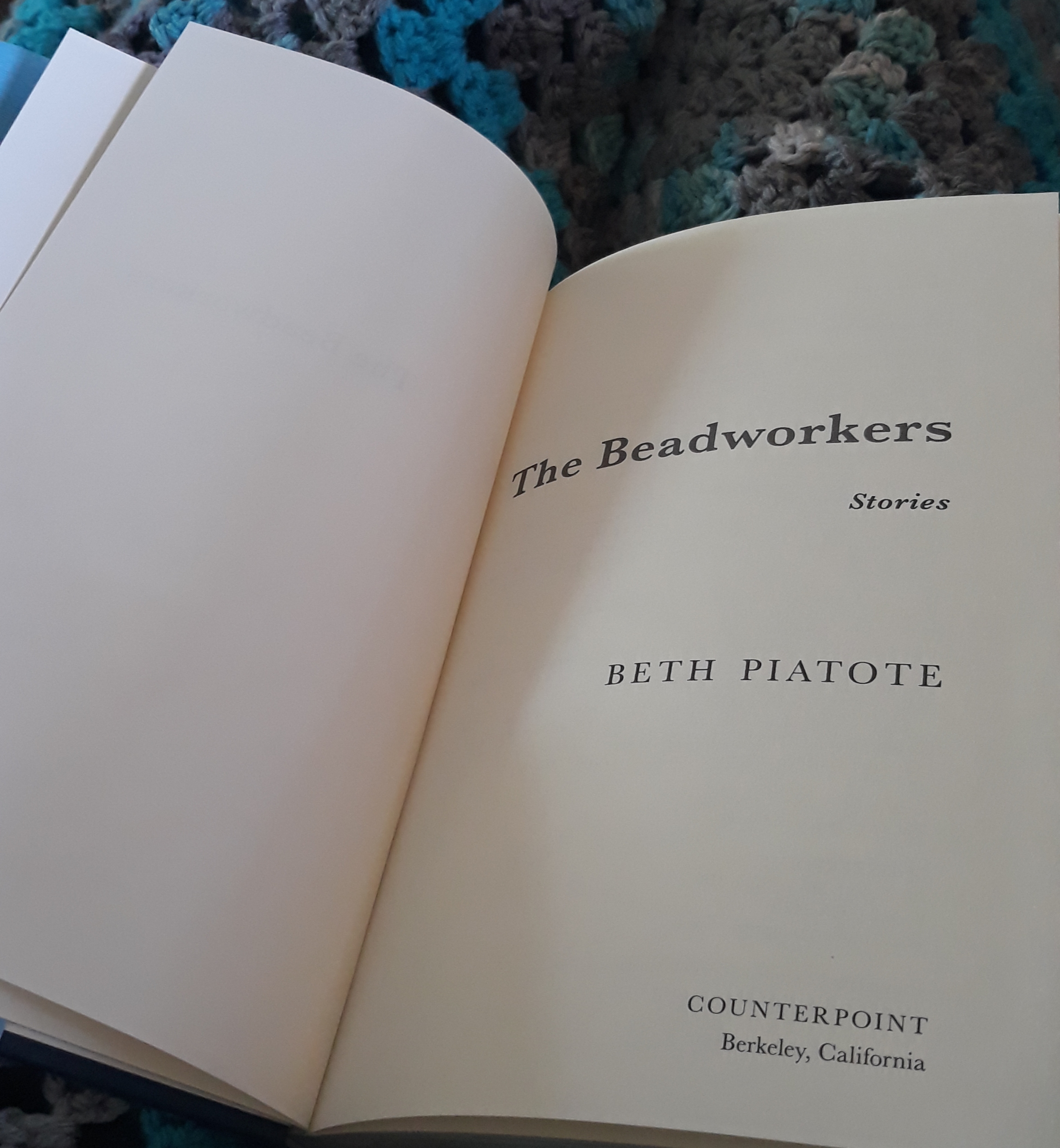
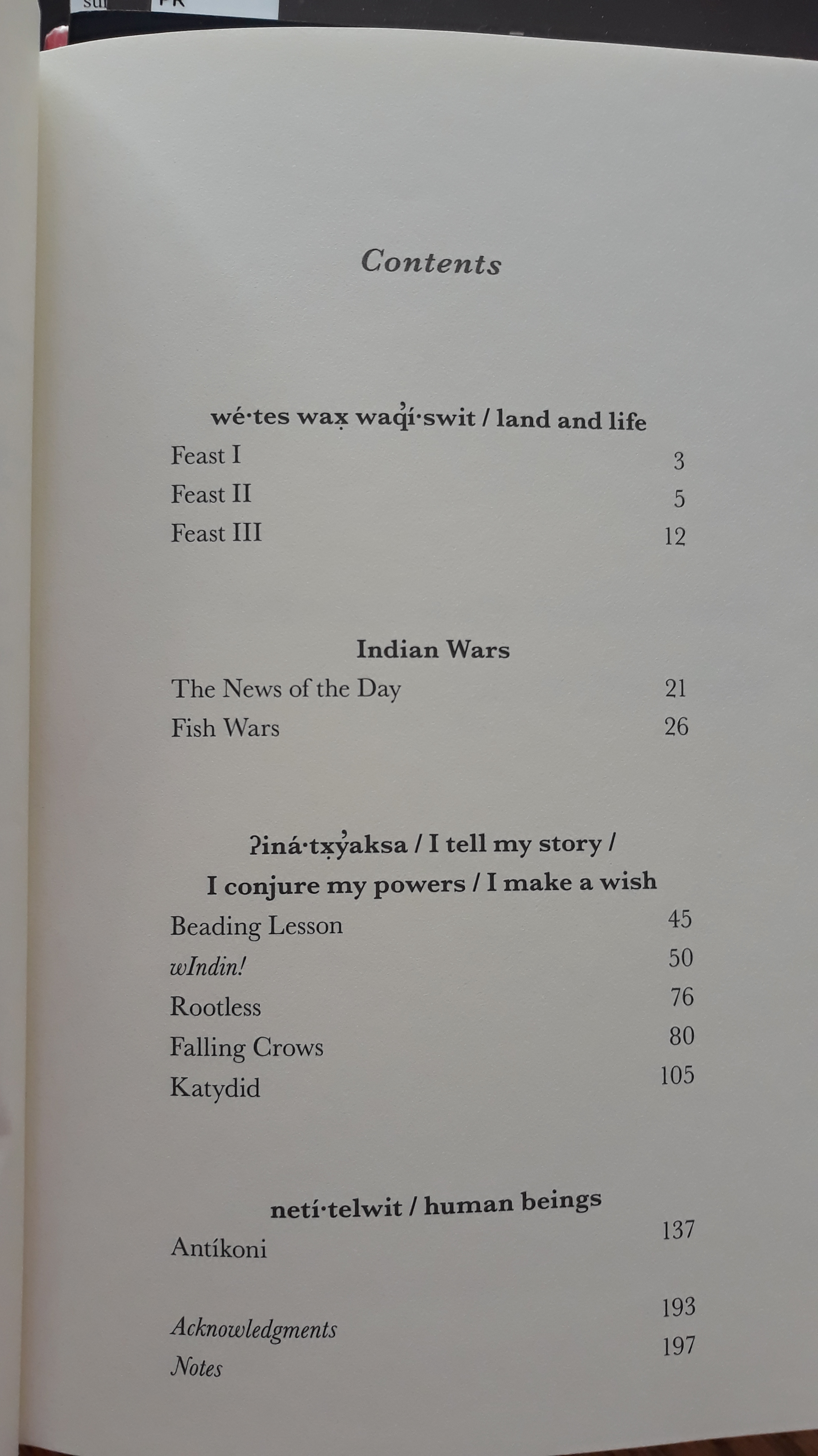
The Beadworkers by Beth Piatote brought back memories of gingham table clothes and picnics near Clark Creek with Grandma, trips to Omak, where I learned about suicide races, and the smell of tender beef stew from the crock pot, sliding in Grandma’s passenger seat as she accelerated over the railroad tracks, the proper way to make a flowerbed, the importance of reading, assimilation because your life depended on it, adoption.
Piatote knows the inland northwest well, and reading her work is like learning that someone else has the same secret you do. I have a similar feeling when reading authors like Sherman Alexie and Raymond Carver. They know these places and these people too, and it’s so nice to feel seen by them.
Reading is one thing that renews me and gives me a stronger sense of who I am. That sense of who I am has changed in wonderful ways in the past few years as I’ve become a mother, but also in worrisome ways. There is a daily grind, a constant sense of work to be done, no rest for the weary. Reading Piatote’s bio, I saw that she is also a mother, and I felt even more reaffirmed. She is able to remember. So can I.
The book made me feel creative and curious and revitalized, and in reading it, I am overwhelmed with gratitude for my job, my colleagues, and my students and the life I get to live that puts me in the way of this literature.
The Nez Percé language throughout the book was powerful to see and sound out.
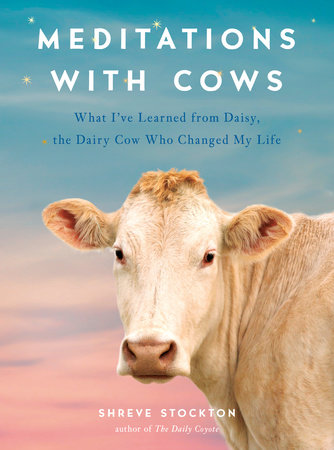
I’ve long been a fan of her blogs, especially Honey Rock Dawn, and read her second book about raising a coyote, but have really been looking forward to Meditations with Cows, which is about, well, cows and Shreve Stockton’s relationships with them.
The book is beautifully written. New York Times-style think pieces about the environment, the importance of grass, our relationship to food, and especially meat, and the nature of cows are interspersed with personal essays about milking cows, calving cows, and dying cows.
The book helped me think more about the importance of having personal connections to specific pieces of the land, to watch over the same path as the seasons change. There are dreary statistics: “[T]he amount of land owned by the one hundred families with the largest holdings totals forty-two million acres. And this is a 50 percent increase from 2007.” The arguments are absolutely true about our unhealthy and unsustainable relationship to the planet, but I found myself overwhelmed by the hopelessness of it all. Still, the book encouraged a “meditative” approach. One moment, one breath, one choice, and one relationship at a time.
While reading this book, I am currently bottle feeding a little group of calves that for one reason or another could not be raised by their mothers, and so bovines have been heavily on my mind. I grew up on a cattle ranch and ate a lot of red meat growing up. As I grew up, and moved away from the ranch, a choice I made primarily because it is impossible to make a living raising cattle if you’re starting from the ground up, I naturally ate less red meat. I had less access to the good stuff, and store bought meat is just not as good. Finally, after years of work, I have a little place of my own that allows me to have livestock (though not nearly enough to making a living). I wondered if working closely with the cattle again would make me want to stop eating meat for good. Instead, the opposite has happened. I have been surprised to realize that the closer I am to the food source, the more at peace I feel about consuming beef (and chicken and eggs).
Not everyone can raise their own food, and not everyone wants to, but many of us now can have relationships with our farmers, can follow blogs and Instagram to see the life of a farm, the early lettuce sprouting, lambing season, the richness of July, and the cool autumn harvest. Connecting to the place and the food makes it all so much better in every way: spiritually, but also nutritionally, as we know now that foods produced outside of monocultures are more highly nutritious. Our taste buds can also confirm the difference.
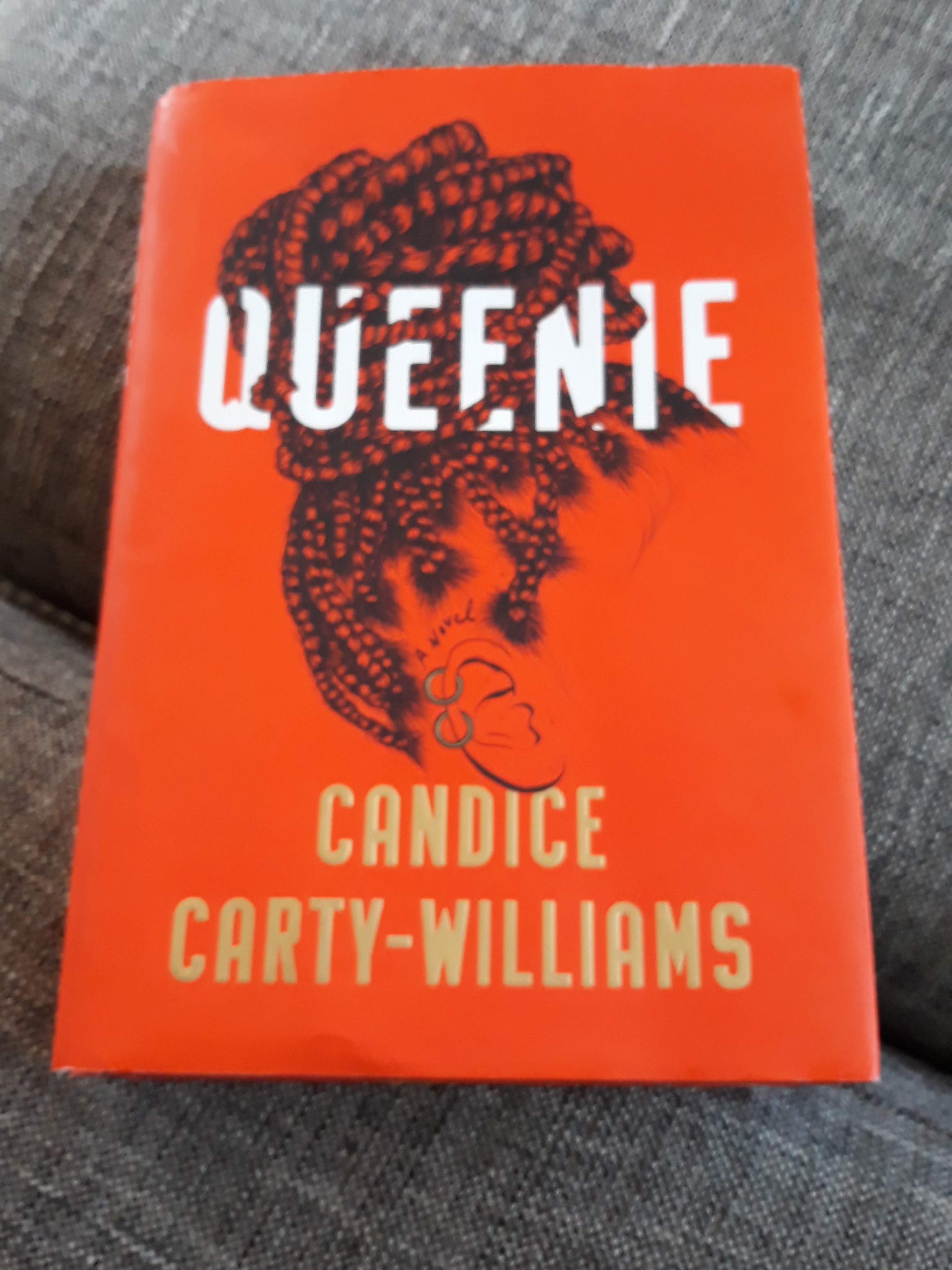
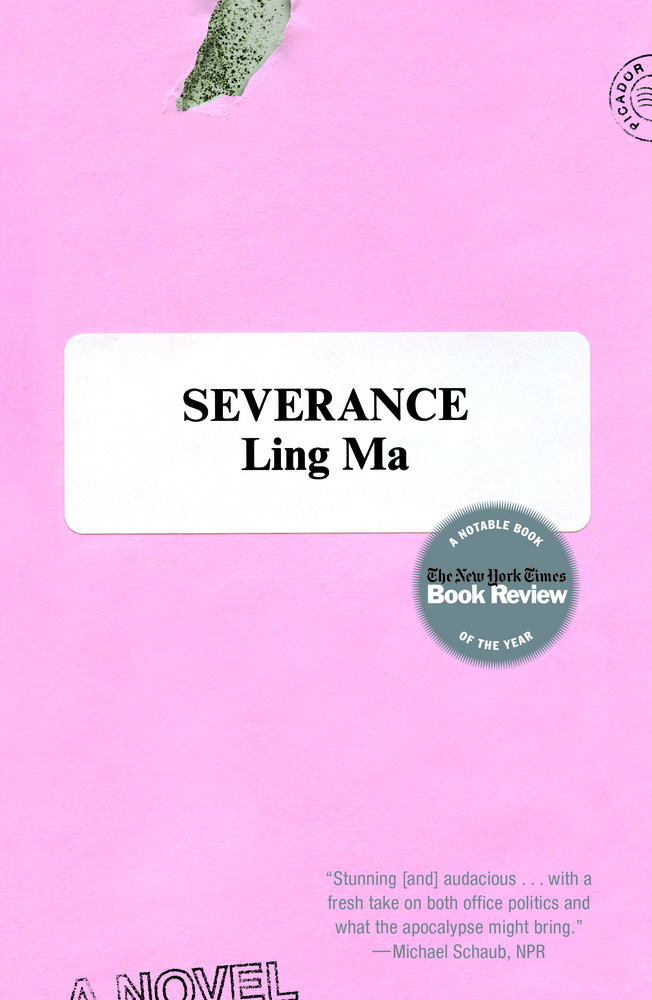
If you’ll recall, in December 2019, I was part of a book gift exchange with a group of women who also had babies that year. I was gifted two books by one woman. The first I read and wrote about here: https://sherewin.com/2020/03/09/severance-by-ling-ma/. The second was Queenie by Candice Carty-Williams. Both were shockingly timely to 2020. Severance was about a global pandemic and Queenie is about, in part, race and racial injustice.
So, here’s my take on the book. The story immediately drew me in. It starts with some relationship drama, and I am always happy to be a fly on the wall to any and all relationship drama.
But, as the book progressed, I grew weary of Queenie’s antics, and I didn’t always have enough emotional connection to the story to be patient with her as she navigated her failed relationship, her abusive/borderline abusive sexual escapades, and sabotaged her career. Certainly there were reasons, and certainly we would grow to understand them, but I sometimes grew weary in the waiting. (This happens more and more with me when reading works of fiction.)
While her relationships with friends didn’t always resonate with me (which probably says more about my relationship to “friends” than about her depiction), her relationship with her family became the most interesting aspect of the book to me. Fortunately, that narrative builds and builds throughout the story to a nice conclusion. (Not nice as in happy or resolved per se, but nice as in well done.)
Overall, this piece has literary merit, is well done, if a bit too long. I hate to make the comparison, but it really does allude to the Bridget Jones’s Diary story. It’s a workplace romance starring woman who is a mess. It’s a hallmark of British Literature, and Carty-Williams carries it on and makes it her own in Queenie. The author artfully integrates trauma and politics, specifically the #BLM movement. I am glad I read it, and I think you will be too.
I read How We Fight for Our Lives by Saeed Jones because it was sitting there, and I’m glad I did. It’s a quick (but not necessarily easy) read. I was immediately drawn into the narrative. He shares what feels like a really authentic account of what it’s like to grow up Black and gay and how and why that felt like a death sentence to him.
The confusion, innocence, curiosity, and angst of childhood felt really authentic to me—though his experience seemed even more exacerbated by his firm knowledge that he was *different*. Later, the sex is explicit, and there’s a lot of it, and at times I wondered if it was gratuitous, but in the big pictures, it really did serve an important purpose in the story. And anyway, it’s about a young gay man, so yeah, there’s going to be some sex.
About two thirds or three quarters of the way through the book, when many authors lose their steam, attention to detail, and sentence-level care, this book picks up, ending powerfully as the author’s relationship with his mother contextualizes and heals and, although imperfect, a clear love story emerges that feels true and healing and heartwarming.
The ending is surprisingly, as it becomes clear that this author has achieved the sense of self that he’d been searching for—in some unlikely ways and places that simultaneously feel familiar. I too have suddenly and unexpectedly wept with strangers.
The book made me much more reflective of my own education, especially my undergraduate degree, an experience that, for me, has inexplicably evaded much analysis or meaning making from me. This book also made my world much smaller. I identified with this man in that I too went to a state school on a scholarship, and although it wasn’t the fancy private school to which I had received a partial scholarship, it offered an important education still the same.
Because the book was not too demanding of my time, I googled some of people listed in the acknowledgements section. I read Sarah Schulman as an undergrad! I didn’t realize Roxanne Gay has a PhD in Rhet/Comp like I do! I didn’t realize it was from Michigan Tech, a sister school with my own PhD program that often exchanges “talent.” Not only did the book’s journey resonate with me, I also had the sudden sense that these people were actually my people. This felt like…my circle.
This is a story of a gay black man, but the journey to reconcile the love and harm inflicted by one’s family, the journey of navigating the first years of adulthood (college) and settling into one’s authentic identity amid wildly conflicting pressures, the community we find, the family we choose is the stuff of life and something with which every reader can identify.
While Covid19 was gaining momentum in China and just barely on my radar, I read Severance by Ling Ma. This is normally not my genre. Not by a mile. But, it’s well written and was gifted to me through an academic mamas holiday book exchange. I was in my first weeks after having a baby, and it was in between semesters. So, found myself with time to read while my baby took those nice, long newborn naps.
Character development: I did not identify with the main character whatsoever until near the end, when she was built up enough that I could see her suffering was human and shared by us all.
Plot: The premise is that a fever, originating in China, steadily makes it’s way through the human race. The “fever” is always deadly, taking 1-3 weeks to kill it’s host. It renders people into a zombie-like state, where they repeat seemingly mundane tasks until they perish by wasting away. The few who remain exist in a strange new world.
It’s a metaphor. It’s all a metaphor. That we’re all zombies going through the motions. That we are our parents’ memories. That existence is a memory. That knowing is memory. Something like that–I’m sure there’s more to it.
***spoiler alert*** below (mild)
Anyway, if you read it, tell me who you think was fevered in the end.


 SHEREWIN