Tag Archives: 2024 reading list

2024 reading list

Here’s my 2024 reading list! I cannot believe that I read over 40 books! I felt like I read much more last year, and yet somehow I came out ahead. This year there were also several months in a row when I did not read anything (except for work). Despite this year’s quantity, I still count the previous year, 2023, as one of the best reading years of my life. That’s the year I discovered Elena Ferrante! Still, I read some delightful books this year. Siddhartha was excellent. The Lost Journals of Sacajawea was mind-altering. Who Was Changed and Who Was Dead was a quirky delight.

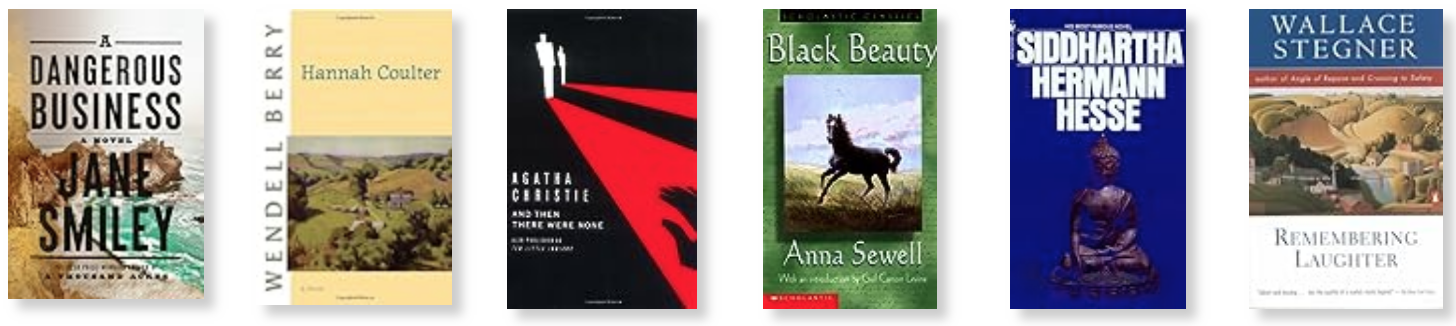
  1. A Dangerous Business by Jane Smiley
  2. Hannah Coulter by Wendell Berry
  3. And Then There Were None by Agatha Christie
  4. Black Beauty by Anna Sewell
  5. Siddhartha by Hermann Hesse
  6. Remembering Laughter by Wallace Stegner
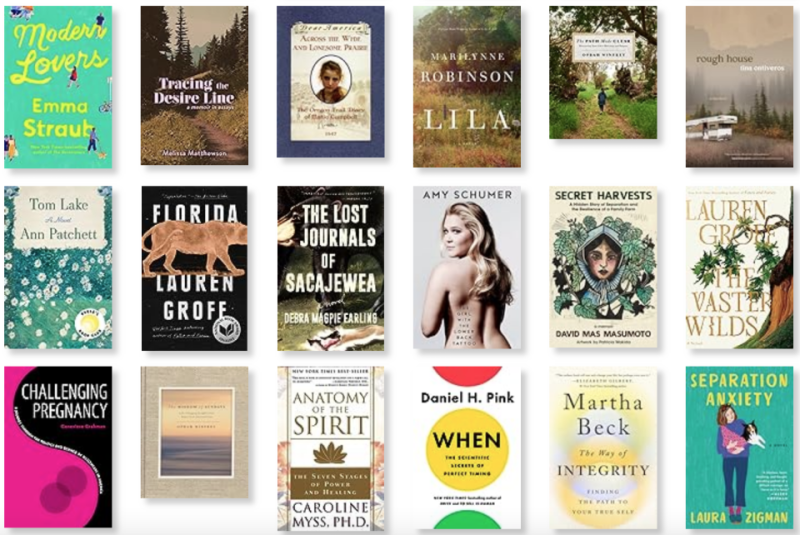
  7. Modern Lovers by Emma Straub
  8. Tracing the Desire Line by Melissa Matthewson
  9. Across the Wide and Lonesome Prairie by Kristiana Gregory
  10. Lila by Marilynne Robinson
  11. The Path Made Clear by Oprah Winfrey
  12. Rough House by Tina Ontiveros
  13. Tom Lake by Ann Patchett
  14. Florida by Lauren Groff
  15. The Lost Journals of Sacajewea by Debra Magpie Earling
  16. The Girl with the Lower Back Tattoo by Amy Schumer
  17. Secret Harvests: A Hidden Story of Separation and the Resilience of a family Farm by David Mas Masumoto
  18. The Vaster Wilds by Lauren Groff
  19. Challenging Pregnancy: A Journey Through the Politics of Science of Healthcare in America by Genevieve Grabman
  20. The Wisdom of Sundays by Oprah Winfrey
  21. Anatomy of the Spirit by Caroline Myss
  22. When: The Scientific Secrets of Perfect Timing by Daniel H. Pink
  23. The Way of Integrity by Martha Beck
  24. Separation Anxiety by Laura Zigman
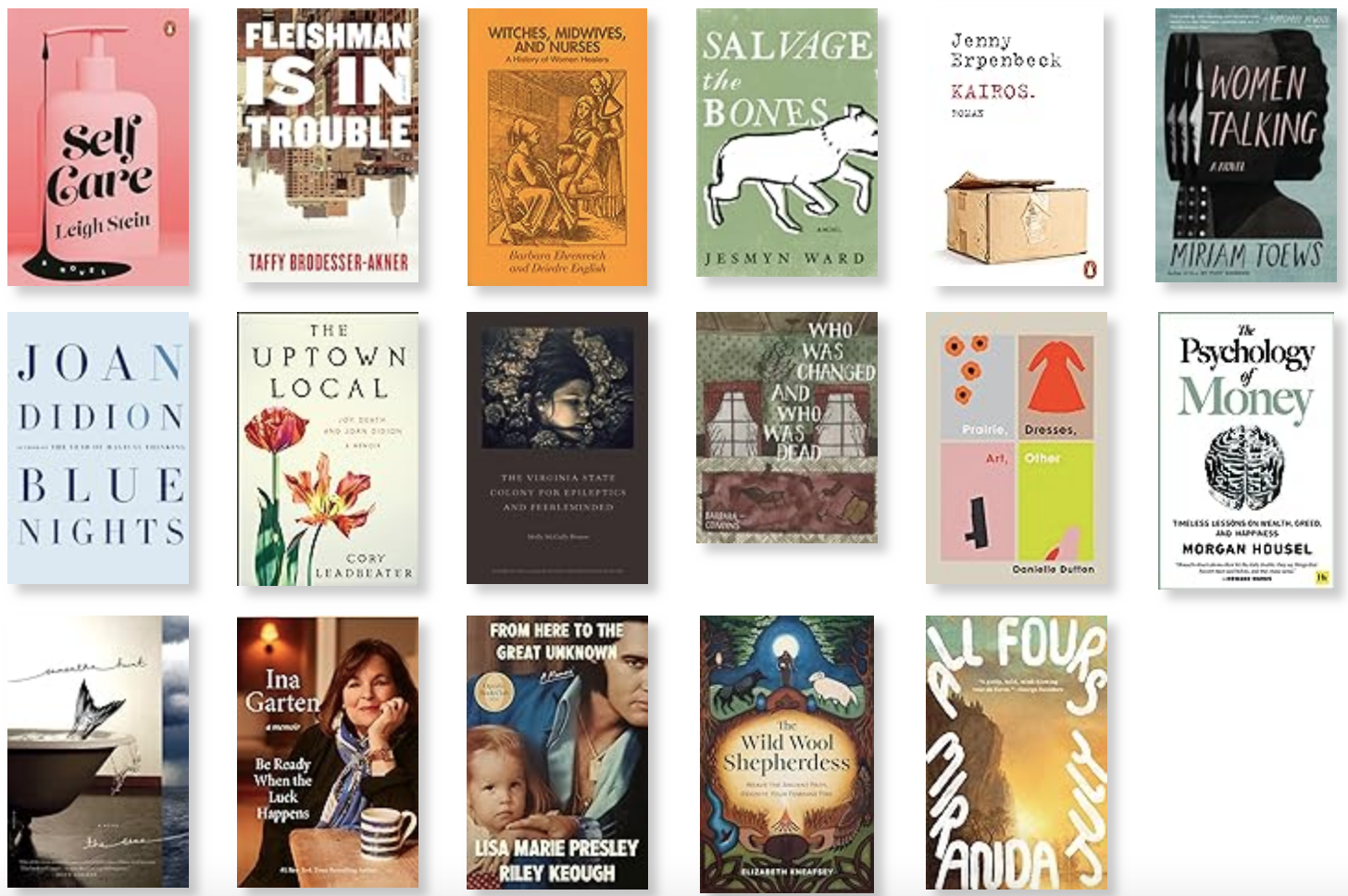
  25. Self Care by Leigh Stein
  26. Fleishman Is in Trouble by Taffy Brodesser-Anker
  27. Witches, Midwives, and Nurses by Barbara Ehrenreich and Deirdre English
  28. Salvage the Bones by Jesmyn Ward
  29. Kairos by Jenny Erpenbeck
  30. Women Talking by Miriam Toews
  31. Blue Nights by Joan Didion
  32. The Uptown Local by Cory Leadbeater
  33. The Virginia State Colony for Epileptics and Feebleminded by Molly McCully Brown
  34. Who Was Changed and Who Was Dead by Barbara Comyns
  35. Prairie, Dresses, Art, Other by Danielle Dutton
  36. The Psychology of Money by Morgan Housel
  37. The Seas by Samantha Hunt
  38. Be Ready When the Luck Happens by Ina Garten
  39. From Here to the Great Unknown by Lisa Marie Presley and Riley Keough
  40. All Fours by Miranda July
  41. The Wild Wool Shepherdess by Elizabeth Kneafsey
Black Beauty by Anna Sewell

Over the winter break, I read the 1877 book, Black Beauty, by Anna Sewell with my children. I believe this was the first time I’d read the book, and, although it is a “children’s book,” as you know, I like to include children’s books here if they have literary merit, and this one does!

Black Beauty is said to be the first book to anthropomorphize an animal. This seemed impossible to me when I read it, and it must be with the exception of fables and what not. I double checked The Jungle Book, and indeed it was published 17 years later.

The book follows the life of the horse, Black Beauty–from his youth as a colt running through the fields, to very many different owners and jobs across his life, and finally through to his retirement.

I frequently wonder what animals are thinking, feeling, and experiencing. I’m sure most people do. However, maybe unlike most people (perhaps?), I don’t assume animals are having a similar experience to humans. For example, I often perceive some dogs to be very nervous when their owner states that they’re actually being playful. However, in Black Beauty, the horse is depicted as experiencing life much like a human might assume. He appreciates gentle petting, and he grows to love his (good) owners and other horses he knows. He suffers in circumstances where when humans might also suffer. In fact, the horse even seems to suffer in situations sooner than I might imagine a horse would suffer.

Speaking of suffering, for a children’s book, this is an emotionally heavy book, with open depictions of abuse, suffering, tragedy, and death. My children were too young to pick up everything that was happening in the book, but I frequently found myself cringing as I read over some of the tougher scenes. I think this book would be much better read for older children, who are able to read well on their own. By then, maybe they will be ready for some of these heavier themes.

I am not a horse person myself. I appreciate horses, but I am not “horse crazy” like some people I know. (I do really love sheep though!) Anyway, Black Beauty is an excellent, classic book. Everyone, old or young, who loves horses, should read this book. It’s also worth reading for those who want a glimpse of what life was like 150 years ago, when horses were still the source of power for most people.