I’ve tried to read The House of the Spirits by Isabel Allende a few times over the years, but I guess the timing has never been right. However, I recently read a positive review of her more recent book, The Japanese Lover, and so decided to read it for starters.
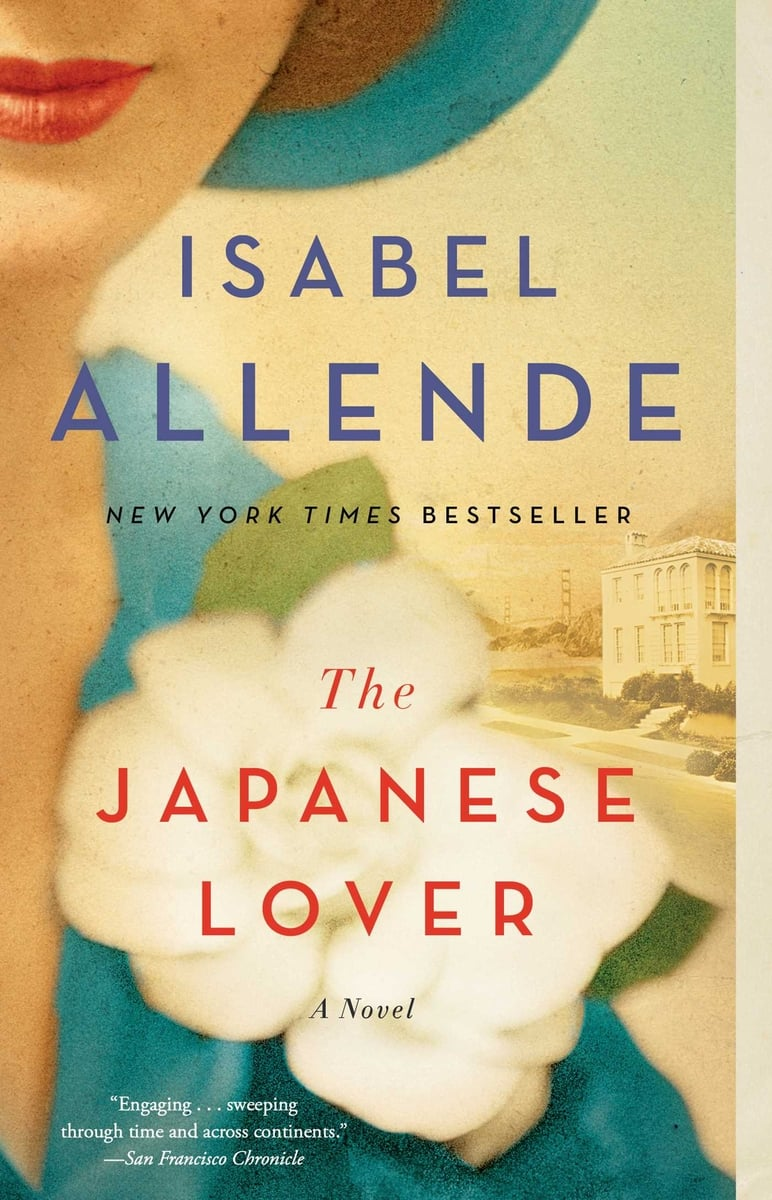
I once knew, and felt quite close to, a woman who was of Allende’s generation and, seemingly, of her social class too, and wow could I see the similarities in thinking in this book. The Japanese Lover seems to leave no stone or topic unturned and does a lot more telling than showing as it persistently weaves characters and backstories to a poinant conclusion. It’s all effectively done and stands apart as literature in a sea of popular fiction.
There’s a progressive attitude in most of the characters that will be palatable to most readers. There may be an exoticization of the Japanese lover that some readers could find problematic. There’s an upper class persnicketiness that is…accurate. There are longer suffering men who seem to go to any length for the women in their lives, no matter how difficult or secretive, out of touch or confused they may seem. That’s the piece that seemed unrealistic to me: this world where strong women nevertheless are happily managed by their families, and especially the fathers, grandfathers, brothers, cousins, and uncles. As I said, the perspective is of a generation and a social class that is interesting, but is also definitely of an era and of a time. Maybe others will recognize it too.

 SHEREWIN