Monthly Archives: May 2026

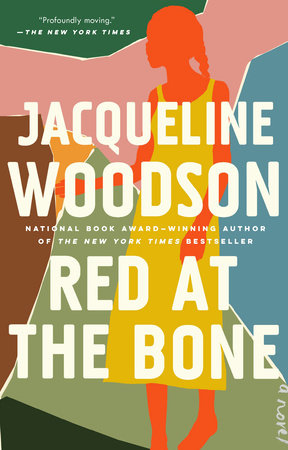
Red at the Bone by Jacqueline Woodson

Red at the Bone by Jacqueline Woodson is a short, readable, excellently written book that takes readers on a deeply human journey while also layering in historical context. One can’t really ask for me.

It seems like responsibility often skips a generation. One generation scrimps and saves and works to build generational wealth, and then the next generation can relax in that security, and then the next generation is driven to work and save, etc., in order to regain a sense of security, and then their children can relax again, and so it goes. For me, this book captured that.

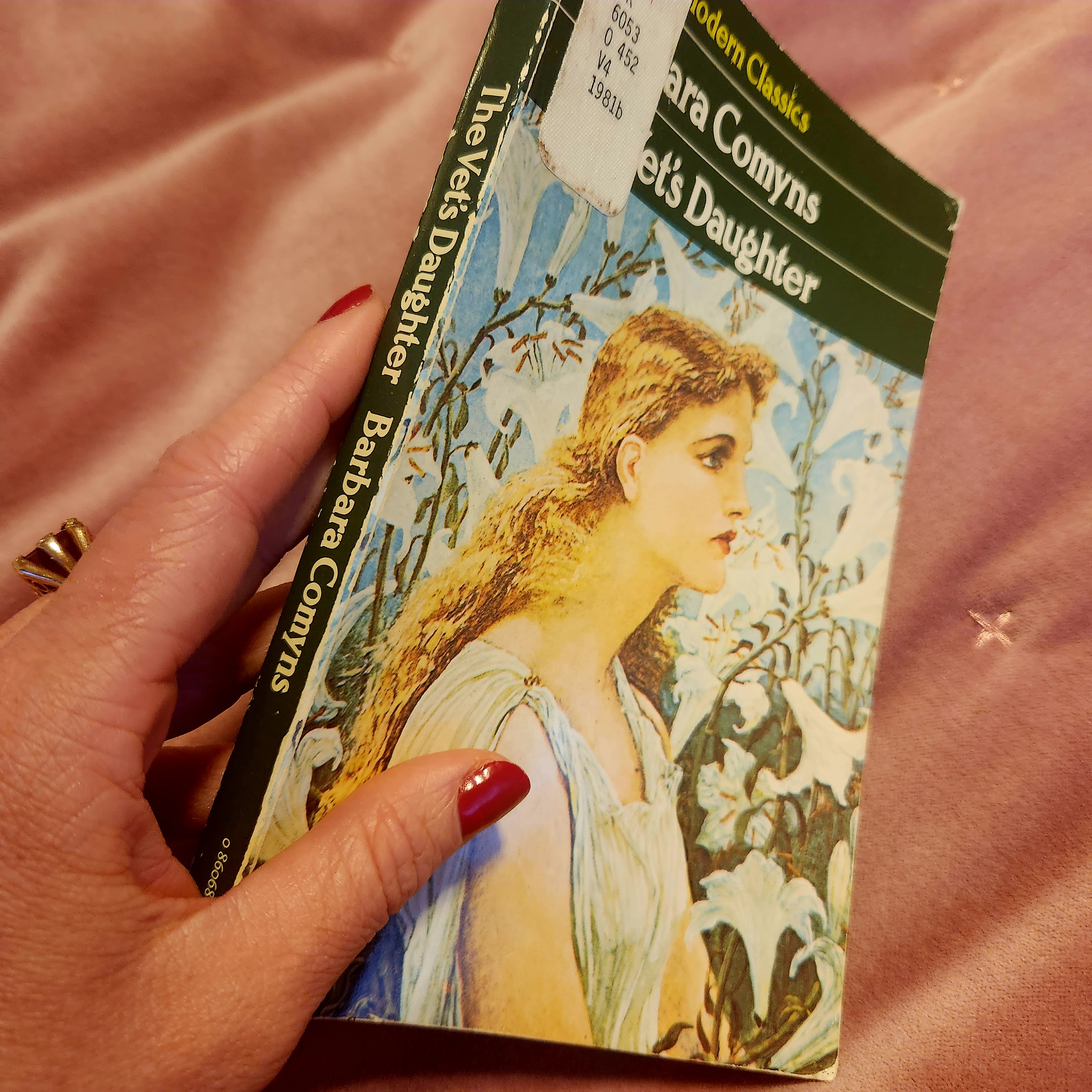
The Vet’s Daughter by Barbara Comyns

Barbara Comyns’ book The Vet’s Daughter dabbles in magical realism in a way that Our Spoons Came From Woolworths and Who Was Changed and Who Was Dead did not. Comyns is great at magnifying the real, which is evident in Our Spoons. In Who Was Changed, the circumstances are very strange, yes, but, in my opinion, those circumstances remain grounded in possible real events. The Vet’s Daughter, on the other hand, is the first from Comyns’ œuvre that really defies the laws of physics…so to speak.

The Vet’s Daughter reminded me of the recent film (inspired by the book) Poor Things, starting Emma Stone, in that the setting is strange and grotesque. In the case of The Vet’s Daughter, the homes are dark and abusive. The vet’s house is full of sick animals and taxidermied pets, which felt much like the home scenes in Poor Things. I did not love being in those scenes, but I did appreciate their power to convey.

The Vet’s Daughter is another classic novel from the indomitable Comyns. I find myself slowing down to savor my first read throughs of her books.

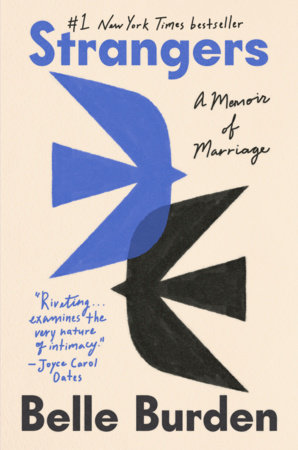
Strangers by Belle Burden

Strangers by Belle Burden might be the most written about book in recent memory, so I’m not sure I have much more to add. Everyone seems to have an opinion, and Burden is either lauded as a feminist truth teller or a woman who got a fair divorce and needs to move on.

What do I think? I think women should tell their stories, and I think this was an interesting and important story to tell. I think most insightful relationship stories are engaging, as long as the writer is insightful, and this one is.

I also think the institution of marriage is rife with challenges. Divorce rates are high, and the concept seems difficult to make work. I am jaded! None of the crazy stories surprise me at this point.

As you know, I’ve also been thinking more about the immense privilege in writing and how therefore we get a disproportionate view of that world of privilege. And it is an interesting world! Still, there are so many other stories that can’t get told due to lack of access, and that’s a shame too. This book makes me think of that.

Will I read more from from Burden? Yes. In fact, what’s more interesting, perhaps, is seeing what she’ll do next.

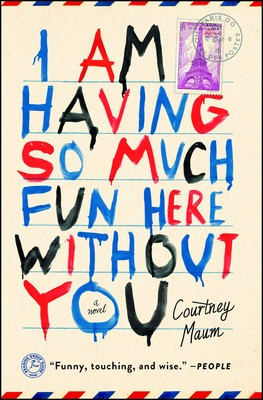
I Am Having So Much Fun Here Without You by Courtney Maum

Remember the movie Silver Linings Playbook that everybody loved, but I didn’t because I thought it was too dark, but it seemed to give audiences optimism? This book, I Am Having So Much Fun Here Without You by Courtney Maum, was like that (and written around the same time too!). The similarities were that there’s a main character who is the protagonist and who is also really flawed and who lacks self awareness, and while the plot of the work goes on to tie the book up in a tidy little bow (it’s upmarket fiction after all, so reader’s aren’t without their challenges, but still), we can see that little, if any, growth or learning has occurred, and so we can assume that the same horrors will continue to occur and that is far darker than the tidy surface of the story.

In works like these, it seems like most audiences enjoy the “happy” ending, but I leave them with a little raincloud over my head at the helplessness and hopelessness of humanity. To me, these are some of the darkest books to read. This book was like that. That said, I think most readers will like this story.

There’s also a voyeuristic quality to this author’s depictions, who seems to be neither British, nor French, nor male, and yet these are the views that are so portrayed in the novel. So I continually found myself more interested in the author’s gaze on these characters and scenes at times than on the story. I also simply have never met a man who seems to care and pine and yearn and regret in these specific ways. Maybe they’re out there! These are a few things that pulled me from the story and made me think. So anyway, this is an interesting and self-aware book in ways that seem both intentional and not.