Tag Archives: farming

A Homesteader’s Portfolio by Alice Day Pratt

Originally published in 1922, A Homesteader’s Portfolio by Alice Day Pratt is an account of Pratt’s experience as a solo female homesteader in Eastern Oregon over 100 years ago. The book reads almost like a series of journal entries, with several engaging stories and also some content that was difficult for me, as a modern reader, to get through. I simply do not usually love the cadence and style of older writing. This book was part entertainment, but mostly about research for me.

I think I first heard about this book from by Susan Butruille, who wrote Women’s Voices from the Oregon Trail. From this experience, I was very intrigued to learn that there were so many single female homesteaders! Experts think about 15% of homesteaders were single females. In some areas, it was more like 20%. The predominant narrative is that homesteaders were families or solo men seeking gold, so this new-to-me statistic really changes my understanding of that migration and feels very empowering too!
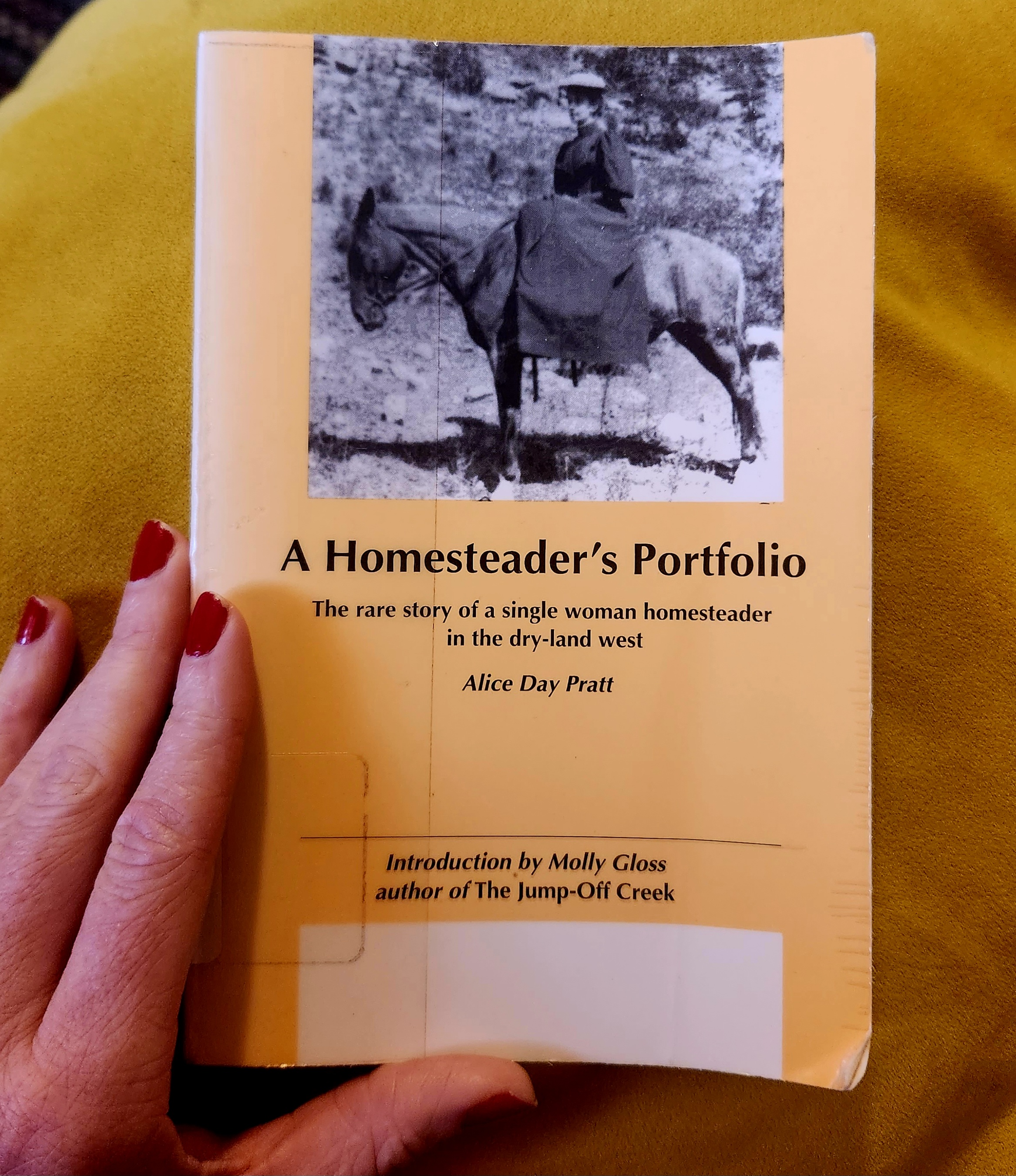
So, I was particularly interested to read Alice Day Pratt’s account of homesteading in Oregon. She kept her day job as a school teacher, while purchasing an “unimproved” plot of land that she named Broadview. There she started various agricultural endeavors, including dairy cows (a rarity in the area) and chickens for eggs and some meat. She had a cat and dogs and horses and dealt with the challenges of being viewed as different by the neighbors, some who were happy to help her in kind and others who seemed to disregard her, or try to take advantage of her, or who actually fostered some form of ill will.

As a many generation Oregonian, who is also deeply involved in agriculture, I found her story intriguing. As an ag insider, I could see the ways she was messing up and causing more work for herself and her neighbors, and I could see the ways she seemed more interested in the narrative and the poetry and the story than in the actual agricultural process. But, I could also see her genuine interest, her genuine struggles, and the genuine value in her endeavor. I could identity with the passion, the sense of difference, and so much more. She did have some great success in ag too, and that’s saying something in a field that can be so precarious that even experts can continually fail.

While not revealed in the book, Alice Day Pratt’s life ends in an apartment in New York City, where presumably in her final decades she continues to read, write, and share her passion for teaching. She does not keep her farmstead, and according to accounts, she is not able to keep it–she loses it somehow. The story does not end in victory. Except that it does in that the world gains a new kind of story, one of a woman who is able to live life on her own terms–smartly, passionately–and is able to share it through her writing.
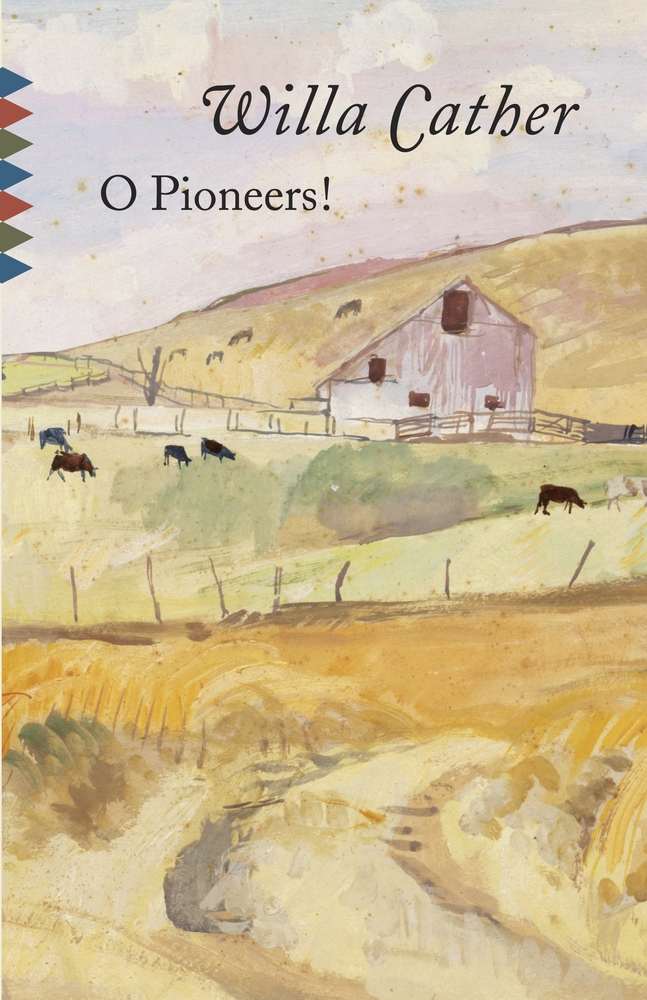
O Pioneers! by Willa Cather

It’s probably been a few decades since I read Willa Cather, and I probably read it for my undergraduate degree. So, I was surprised and delighted to get so much more out of the work now with more life experience and interest. O Pioneers! tracks the lives of immigrant farms in the heartland.

In recent years, I’ve been reading more U.S. history and have been especially interested in women’s stories and women’s journeys. This book was perfect: excellently written, lovely scenes to spend time in, and people whose stories I cared about. I could hear her influence in rural writers like Wendell Berry.

I also spent more time learning about Cather. And of course now I want to read more.

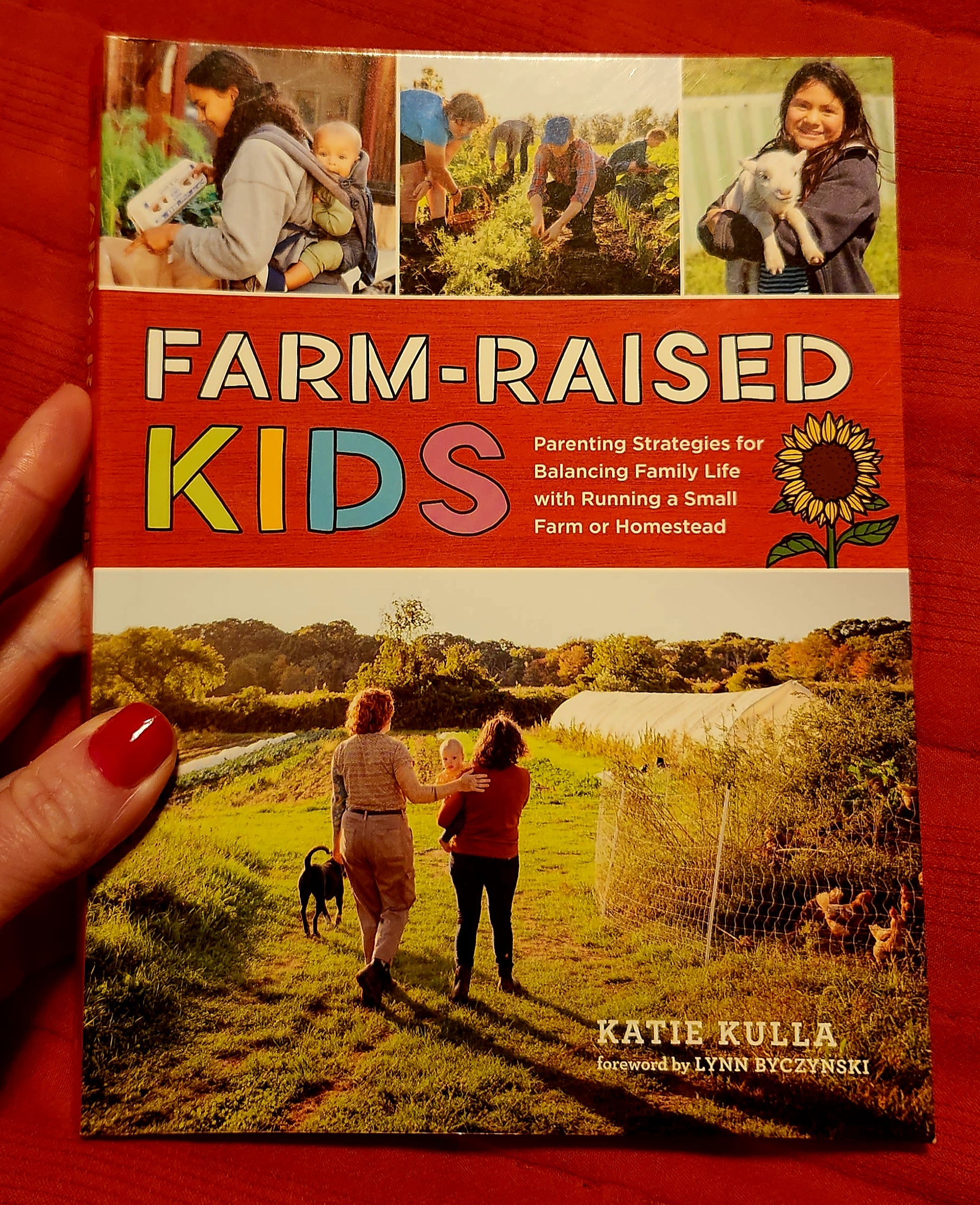
Farm-Raised Kids by Katie Kulla

This was a charming little book by a farmer I know from the west side of Oregon, Katie Kulla.

Parenting books can be difficult because parents tend to be exhausted, and advice and ideas are need, but there is no quiet, peaceful time to read! However, this book is easy to read, easy to digest, and it is informative, without making readers feel guilty or overwhelmed. It’s more like, “Hey, it’s good for kids walk go outside and walk on uneven ground.” Then, readers can feel good about letting their kid walk on uneven surfaces, play in dirt, or feel the sun on their skin once in awhile. It’s simple, basic stuff. It’s reaffirming, and I found it to be inspiring and encouraging.

I was also heartened to read that there are many different families, scenarios, and “farms” depicted, so that a broad range of readers might identify with the lives and lifestyles of these people. Go order Farm-Raised Kids by Katie Kulla now!

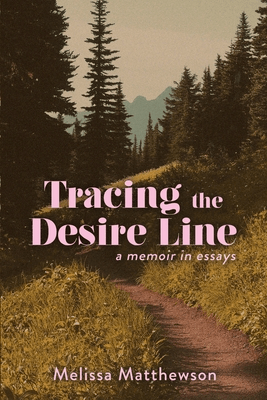
Tracing the Desire Line by Melissa Matthewson

I read Tracing the Desire Line by Melissa Matthewson over the course of a few months. I started the first half before the holidays and the last half after. The book is beautifully written on the level of the line. I mean, it has a lovely structure overall as well, but the line really stands out.

The content of the book was personally challenging for me to read. The author navigates desire, FOMO, long term relationships, and does so through a lot of pain, and also some pleasure, though even that pleasure often seems anything but pleasurable (I often imaged the smells of old cigarettes, sour alcohol sweat oozing through pores, and someone else’s odor that just does not smell right).

I guess because of my age, and the relationships that are all around me. So many are navigating similar relationships, reactions, etc., and so it felt true and also frustrating. I admired the author’s ability to be the “bad guy” in the book. I think it’s so much easier to write from a sense of false victimhood, but the author doggedly avoids that and stays firmly in a place of truth telling, even when it is not flattering, even when it is something readers might imagine she’d rather forget, and even when this mistakes are out there for everyone to see.

I am reminded just how vulnerable one has to be in order to write good books. As for this one–it is worth reading for the line, but also because of the honesty, even when it is ugly and difficult.

Remembering Laughter by Wallace Stegner

Remembering Laughter by Wallace Stegner is a classic novel that reveals why people are the way they are. Or, more specifically, why this one family is the way they are.

In his book, Stegner reveals himself to be a master author, demonstrating artful craft on the sentence level, accompanied by deep insights into the human condition. None of this is news though. Stegner is obviously a renowned author–though I don’t think I’ve read his work before.

I found myself wondering why this novel isn’t taught more often. It’s a short, manageable size and one that students could easily get through in a short timeframe, leaving plenty of time for discussion, analysis, and response.

Stegner’s more famous work is Angle of Repose, which evidently has some criticisms on it surrounding plagiarism, which then calls into question his methods and all of his work. Remembering Laughter is worth the read though and won’t take up much of your time.

continued…Hannah Coulter by Wendell Berry

I wanted to add more to my thoughts on Hannah Coulter by Wendell Berry. In this post, I want to address farming, and generational farming. Having grown up on a ranch myself, I have more complicated thoughts about some of the portrayals in Berry’s book.

[spoilers ahead; not that this book has a dramatic plot]

In the book, after growing up on what is described as a beautiful, but hard-earned farm, all of Hannah’s children “choose” not to return to the farm/farming. This is perceived somewhat as a moral failing on the part of the children and their parents. One child is not really interested in farming and goes on to make big money in California. The other boy is very interested in farming. However, after studying agriculture in college, he stays in academia, becoming a well-respected professor and scholar. The daughter goes on to be a school teacher, something she seems to be passionate about from a young age.

However, even if Margaret wanted to stay on the farm, given the sexism and cultural expectations of the time and place, it is difficult to see how a young woman might make a life for herself on a farm, especially not without a husband. She inherits her grandparents’ place, but even if she were to live there at some point, it might have created a difficult power dynamic with a husband, since she would likely be landowner and therefore the more powerful of the two. Opportunities for women, especially single women, are rare in rural settings. Likewise, opportunities for dating and relationships are much fewer in rural settings as well.

The son Mattie found great success away from the farm, both personally and financially. Hannah doubts his happiness, but can’t argue that he was ever deeply interested or suited in farming. That’s okay. Not everyone will be. Though his life is very different, even unrecognizable to Hannah, he might be happy.

To me, Caleb represents the biggest heartbreak. His parents are deeply disappointed that he decides not to return to the farm after college. However, at that point, it would have meant taking on a life of near poverty, a life that would make affording a family incredibly difficult. Caleb is likely heartbroken by this realization too. Small-scale farming would not provide him financial stability. Meanwhile, increased financial stability might give him the greatest chance of eventually keeping the farm for generations to come, maybe returning to it to live and to farm during his own lifetime. That possibility is not out of the question by the end of the novel, though Hannah never seems to think of it. She has this typical, well, I guess they’re just gone, type of attitude. I know some old farmers who are like that too, and it’s like they cannot even see the financial side of things.

At the end, and here is the real spoiler, Virgie returns, Virgie who has rebelled and disappeared for years. When he is at rock bottom, he finally comes back to his grandma and her farm, and she allows him to stay and start farming, with their older extended family and friends serving as mentors to him. Hannah feeds him and houses him and pays him an hourly wage for work he does on her farm, and the others pay him an hourly wage for work he does for them. This would have been around the turn of the last century, and I find it hard to believe that these small-time farmers are able to pay someone, especially someone who lacks much skill, an hourly wage. Hannah probably could in her older age, but not as a long term solution.

Hannah is not naive and does not assume that Virgie will stay and take over the farm, but maybe he will. In the end, the kid who demonstrates the least amount of responsibility and follow through may end up with the farm? More complicated still is the fact that Mattie’s children may have taken an interest in farming too, but having not grown up in the area, it’s unlikely they would ever gain the knowledge required to run the place.

Yes, there was a huge exodus from small farming in rural America in the latter half of the last decade, but I’d argue that the shift did not have to do with disinterest, or pursuing seemingly easier lives. It had everything to do with the monopolization of farming in the US and the lack of profits in small-scale farming. There were significant cultural and especially economic factors at play that Hannah (Berry?) seemed to overlook.

This all resonates so much with me because I also grew up on a ranch, as I stated earlier. I’m one of the kids who really loved farming–the cycles of the season, the fresh air, working with the animals, the constant scheming and figuring out hay supplies and breeding seasons, and lambing seasons, and on. This still is deep within me, and I love it. However, as a child, I quickly saw that it would be nearly impossible to be able to afford land of my own. “Working out” would always be a necessity, which is fine now since so much mechanization is available. Still, the landscape and reality is changing and worsening for farming. It’s not a matter of choice, or who is willing to work harder. For many–it’s a reality.

Amid such a challenging landscape, I’ve considered myself lucky that I was eventually able to get a little place of my own, and raise animals, and live in this way. I definitely can’t (and wouldn’t want to) quit my day job! Farming is not for everyone. However, it is for me. But, it’s complicated.