Category Archives: family

Salvage the Bones by Jesmyn Ward

This summer I read Salvage the Bones by Jesmyn Ward. Ward is on all kinds of must read lists, but this is the first chance I’ve had to read her work. I was impressed. I don’t necessarily care about basketball or dog fighting per se, but Ward made me care about it all, deeply. The human drama and the nuance were absolutely on point. I look forward to reading more of her work.
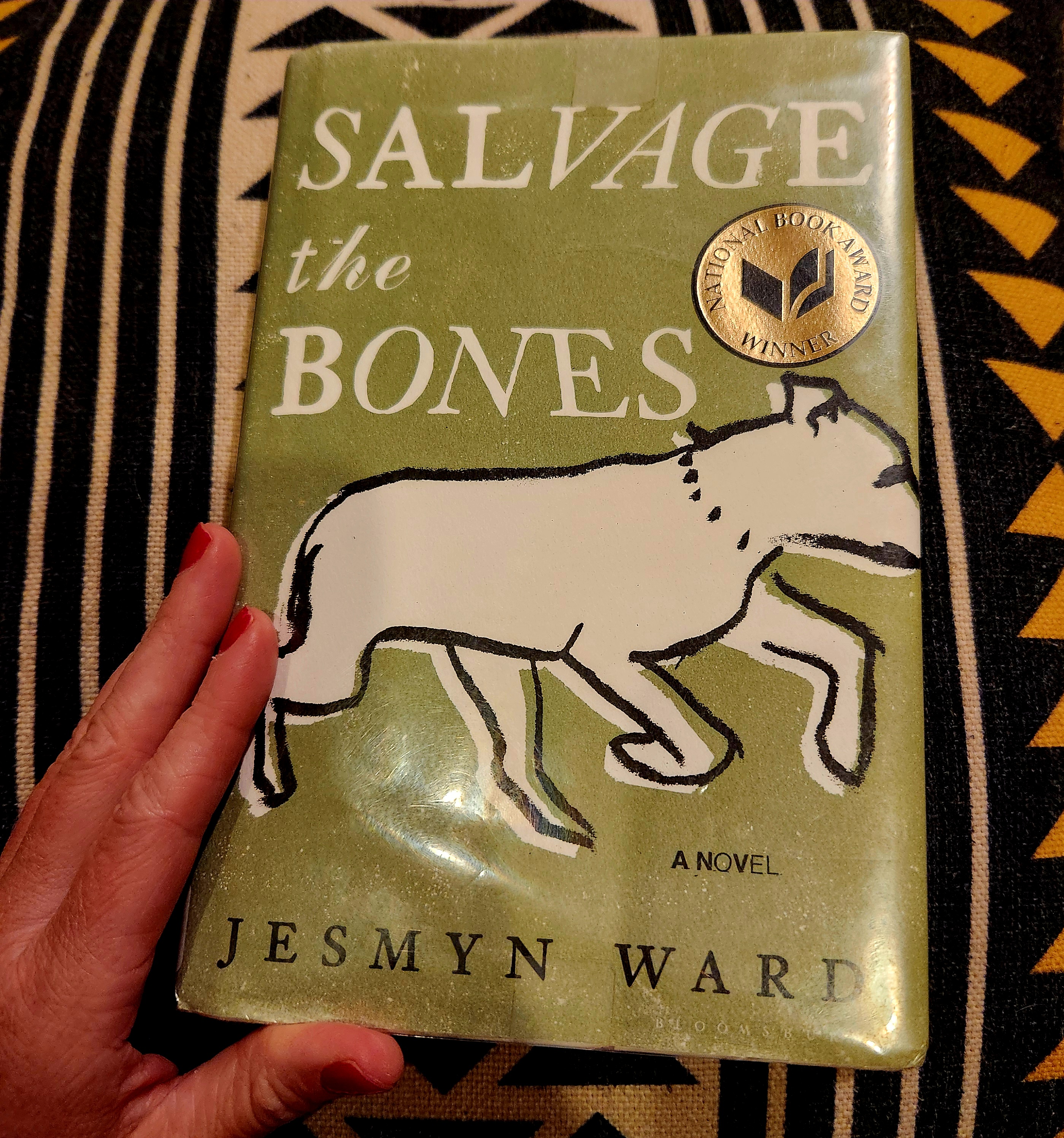
Interestingly, last summer, I read Their Eyes Were Watching God, which also features a hurricane, the 1928 Okeechobee Hurricane, I believe, which killed thousands. Similarly, Salvage the Bones features Hurricane Katrina. Surely Ward was influenced by Zora Neale Hurston as she wrote this book, and if she was, her work represents a kind of imitation of the best possible sort.

Both books function simultaneously as fiction, historical fiction, and literary fiction. This is an approach I love (when it can be found) because the history is there (you are learning something), but also the prose is right (it is literary prose), and it’s fiction–there is an engaging sense of plot. Once again, I am delighted that these writers exist in the world, that publishers recognize them, and that they are accessible to us all. It’s a public service, really.
Witches, Midwives, and Nurses by Barbara Ehrenreich and Deirdre English

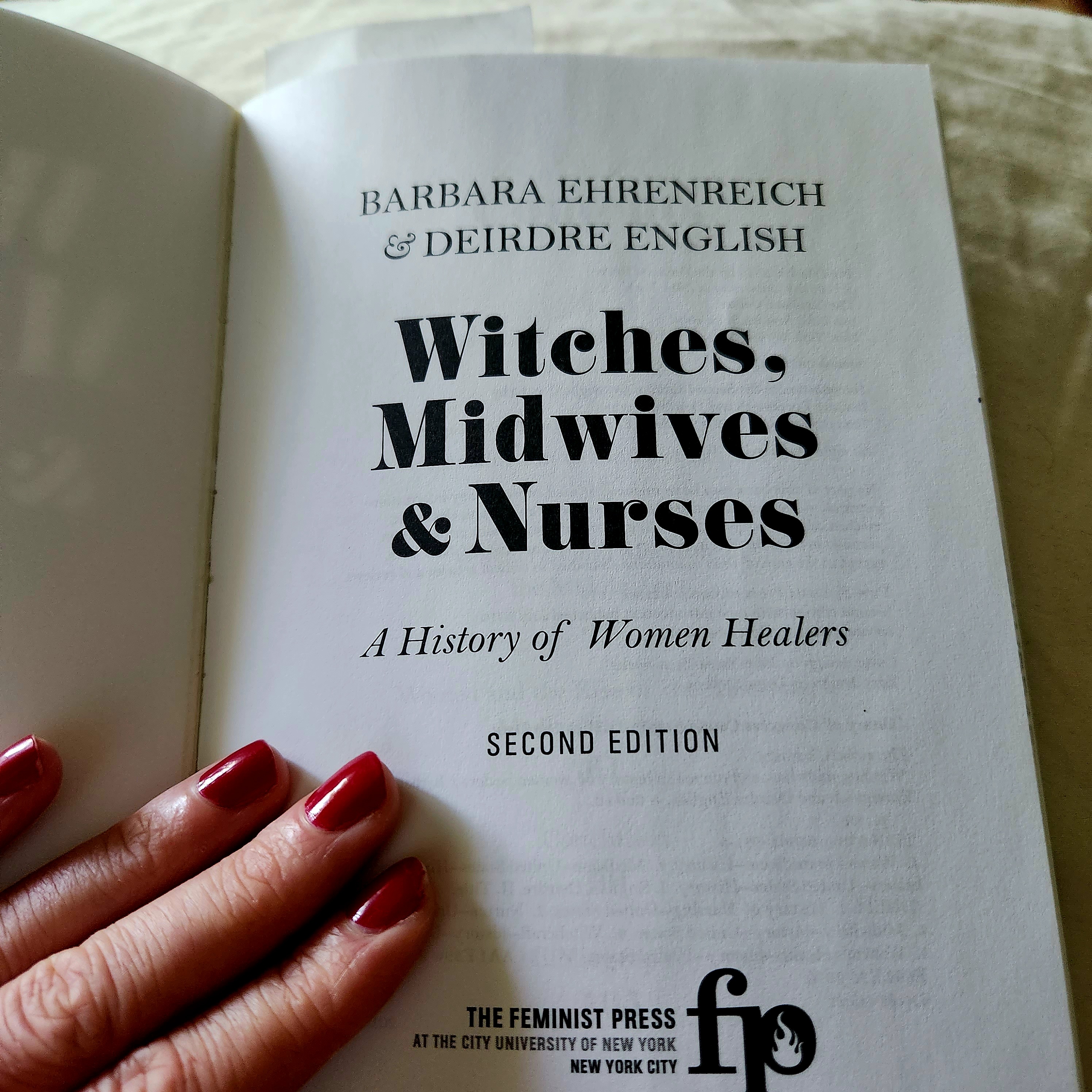
I read Witches, Midwives, and Nurses: A History of Women Healers, by Barbara Ehrenreich and Deirdre English, for my book project, but ended up reading it like one of my recreational reads, so I’m including it here. In my opinion, this is a book that should still be taught in medical classes to this day. Although it was originally published in 1973, this brief history–and the justified rage–are still relevant and important for everyone to understand to this today.

The long history of the witch trials are placed in context next to how babies came to be delivered (mostly by men) in modern medicine. The history is portrayed as a hostile takeover. While science improved some aspects of maternal medicine, the losses and violations from extracting women from childbirth seemed to exceeded any sense of progress.

This book, sometimes referred to as a “pamphlet,” is a kind of manifesto that offers a scathing, but not inaccurate account of the history of sexism in medicine.

Fleishman Is in Trouble

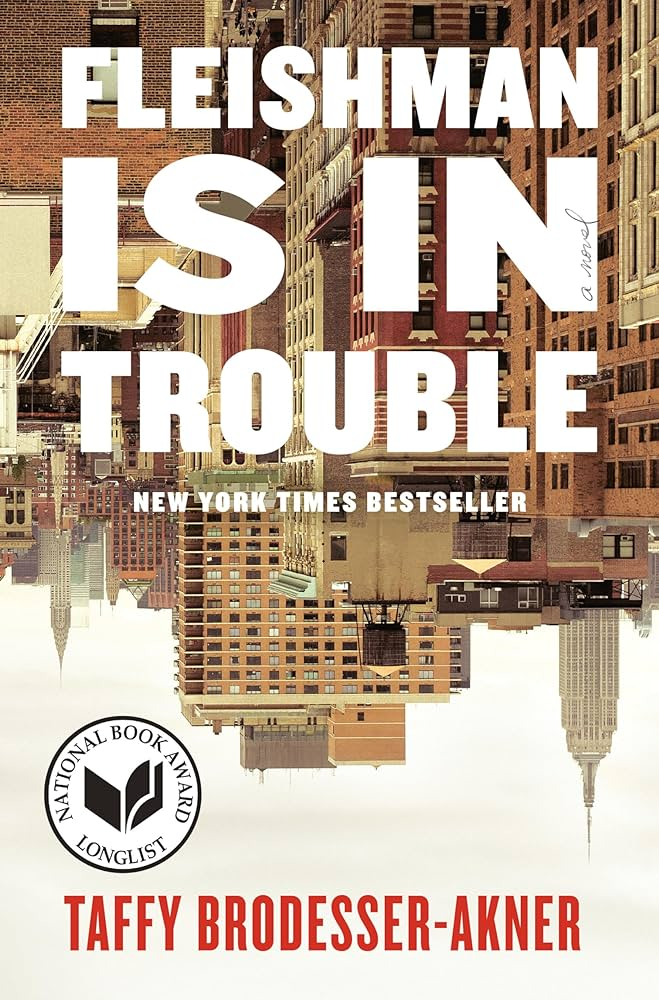
Awhile back, everyone was raving about the show Fleishman Is in Trouble, and I meant to watch it, but never got the chance. So, when I saw the book, Fleishman Is in Trouble by Taffy Brodesser-Anker, I decided to read it, and I’m so glad I did.

This was an excellent book–one of those human dramas that had great character building and, well, drama. I found the book to be real, intense, and human. It is a very “peoply” book, meaning that it is all people, and characters, and dialogue all the time, and normally that kind of wears me out, but in this case, I could handle it.

As you know, I’ve read a few popular titles in the past year, and this one has much more literary merit that your typical piece of pop fiction. All of that said, it is possible that this book is not for you, but I think you’ll know that immediately upon reading the blurb. If you do read it, and you’re intrigued, go grab this book, and tell me what you think!

And now, I really need to go back and watch the show!

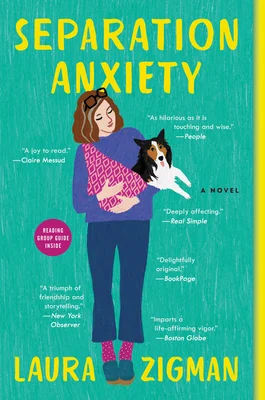
Separation Anxiety by Laura Zigman

My second real “pop” book of this year, after Modern Lovers, is Separation Anxiety by Laura Zigman. If I recall, I found this book referenced on Instagram, I added it to my Libby list, and, lo and behold, had time for it when my turn came up on the app. This is a summer read? A beach read? I’m not really sure of the genre, but as popular books go, it was pretty good, had some good depth, unexpected twists, and the writing was solid.

I found the main character to be a little too cold, shutdown, and removed in a way that did not feel like great “main character energy,” but the rest was pretty good. I also found the conflict between the central couple to be a bit unrealistic. The guy seems…pretty decent actually. So, why is the main character so repulsed by him? Why are they separating? The reason is stated, but never quite believable. I think there’s sort of an East Coast cultural difference may be at play here.

I appreciated the themes and the artful movement through scenes and the way Zigman built clear, and direct meaning throughout. I found some of the concepts to be repulsive, but in the end, none of it was gratuitous. I don’t think it is a spoiler to share that the main character begins wearing her dog in a baby sling, and, honestly, at the end, I’m still not sure if I should be concerned for this fictional dog’s wellbeing. And there’s more of the same throughout.

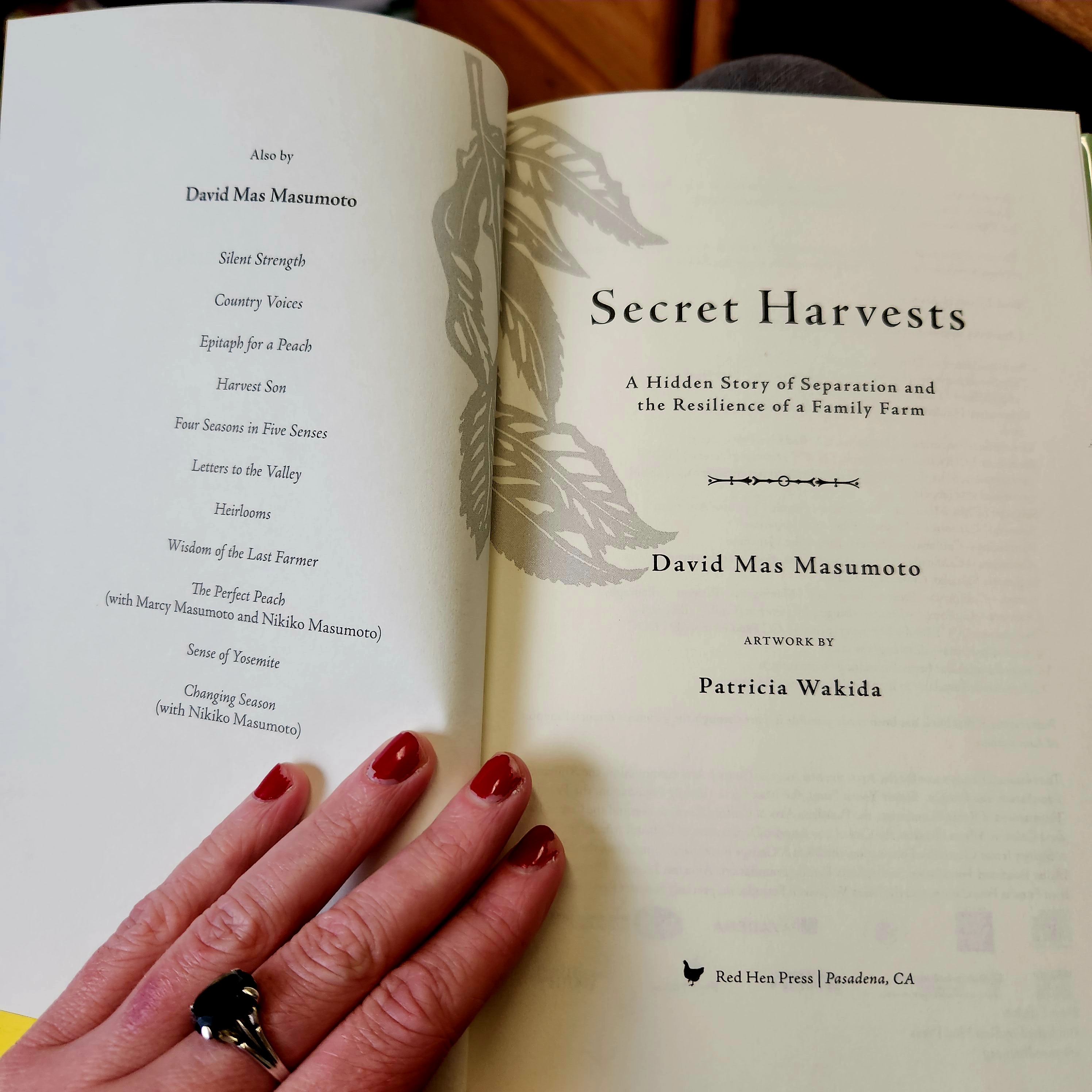
Secret Harvests: A Hidden Story of Separation and the Resilience of a family Farm by David Mas Masumoto

Secret Harvests by David Mas Masumoto was a lovely, slow, circling meditation that encompassed such weighty topics as disability, the institutionalization of the disabled, family farming, and the Japanese internment of WWII. Each theme is threaded through the book, stitch by stitch. Masumoto mentions that he and his family are Buddhists, and it seemed that the practice was etched into this book, the questions, the acceptance of suffering, the cyclical nature, the peace. It’s a great book, and I wish more nonfiction was written in this way. I was inspired and hope to see more from this author and would especially like to read more of his ruminations on farming and on life. There are also gorgeous prints embedded throughout throughout the book!

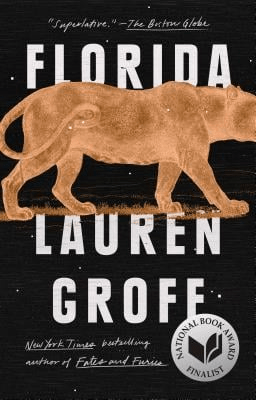
Florida by Lauren Groff

While awaiting the arrival of the highly praised The Vaster Wilds, I came across Lauren Groff’s collection of short stories entitled Florida, and what a delight.

First thing I’ll say is that this is a book of short stories that really deserves to be a book. The stories speak to each other so well that it’s almost like this is a way of making a “novel,” less linear, less plot driven, but still so very meaningful.

Next, I’ll say that, without subheadings or even making much mention of it in the blurb, this book captures motherhood is such a real and raw and genuine way. There are so many books on the market about motherhood, but many of them don’t capture my experience. However, the depictions of it in this book were so good.

That’s what I have to say about the book. I was on the fence about The Vaster Wilds, but now my curiosity is definitely piqued!

Tom Lake by Ann Patchett

The only other book I’ve read by Ann Patchett was This is the Story of a Happy Marriage, which I read last year. My thinking is that Patchett has had a long and illustrious career and has earned the time and patience it takes the readers to complete her books. Tom Lake is no exception. It might even be her crowing achievement in time and patience, which is not to say that it isn’t worth it.

Perhaps what strikes me most about Patchett, and that generation of woman writer, is the way they interact with men. Men seem to hold a higher interest than in contemporary literature. The women, even the author, seems to defer to them for knowledge and guidance.

I know of one woman of the same generation who is this way too. I’m not even sure if it’s a bad thing, but it strikes me as a bygone way being and thinking. Yeah, that little thing is probably what struck me most.

Second, I was struck by how much attention the people in the book gave the narrator, who is an aging mother and former actress. Her daughters were mostly riveted by her stories, and her husband was patient with her as well. Near the end, the reason for this interest becomes clearer, but throughout the bulk of the book, the narrator seems tedious and detailed, even delighting in her story and drawing it out for emphasis in a way that felt somewhat irritating to both the daughter and the readers.

In the end, I think it is a good book, calculating, safe, comfortable, and revealing a unique story not often told. It’s worth reading, but with patience.

Rough House by Tina Ontiveros

Rough House by Tina Ontiveros is excellent. Excellent. I don’t say it lightly when I say that I think she is like a female Raymond Carver–Carver, a magnificent writer, who, in my mind, so perfectly captured the unique culture of the Northwest, the logging, the mill towns, and the landscapes (portrayed unromantically, but true). In fact, Ontiveros has lived in some of the exact same towns as Carver!

Carver died decades ago, and the Northwest of the ’80s, ’90s, and today deserve their own new depictions. Ontiveros does just that. The author writes about her troubled childhood and geniusly pairs the horrific abuse with the love in that unique way that it is so often packaged together in families.

Because I am so deeply rooted in the Northwest, having grown up here myself, being a part of a larger family that has lived here since the time of the Oregon trail, and living in a family whose income came from logging, mill work and the like, Ontiveros’s novel was so very familiar to me. I loved how she captured the culture, the strong sense of place, even the language.

I am stunned by this work.

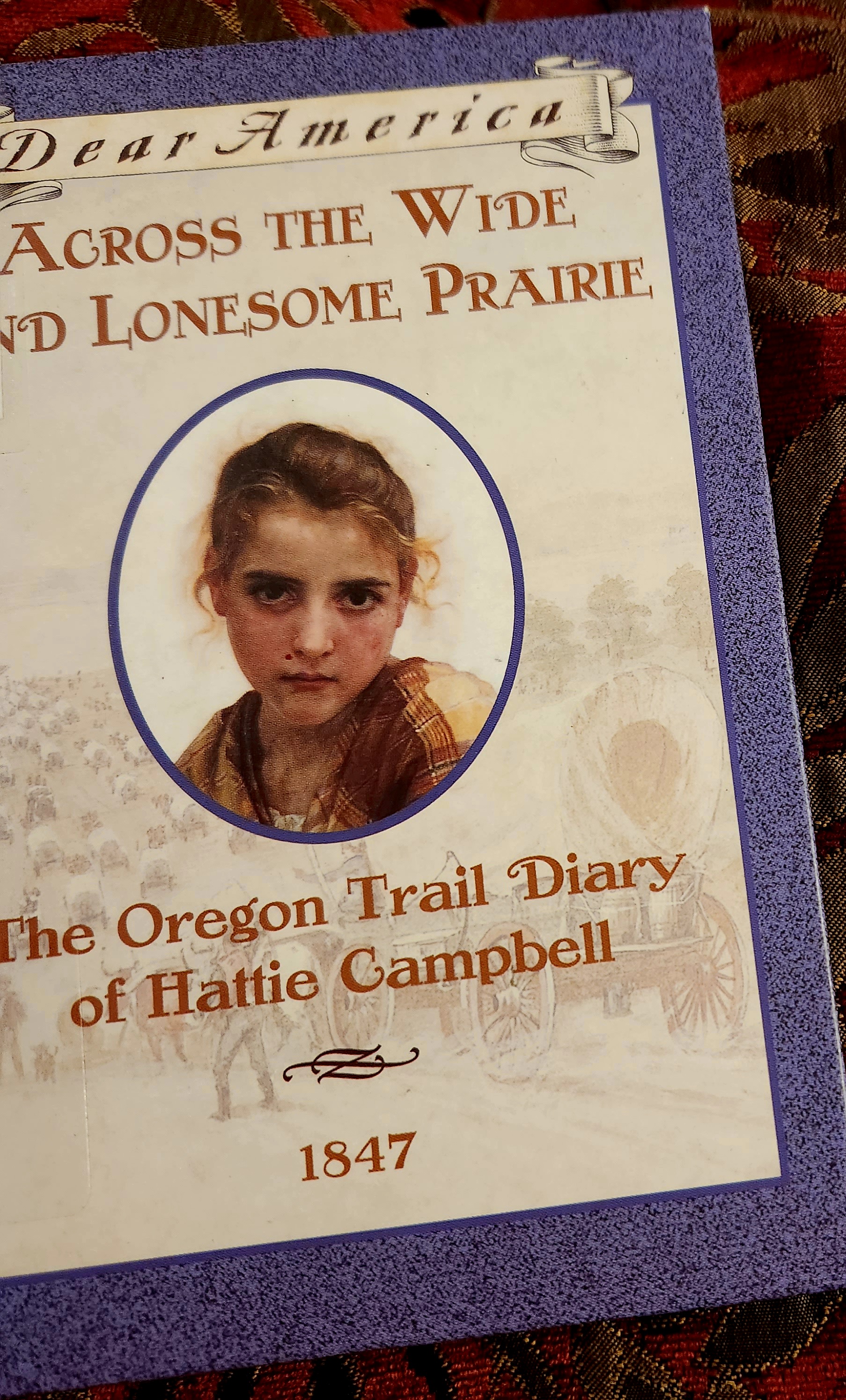
Across the Wide and Lonesome Prairie by Kristiana Gregory

Recently, I’ve found a renewed interest in the history of the Oregon trail. My ancestors actually came across on the Oregon trail about a 170 years ago, and it is because of them that I still live in this region today! Someone recommended Across the Wide and Lonesome Prairie: The Oregon Trail Diary of Hattie Campbell by Kristiana Gregory, and so I got it from the library and read it with the boys.

The book is a fictional account of a young girl’s journal with her family from Missouri to Oregon City. The book is a real treasure trove of historically accurate details! It was also fascinating to read as the characters traveled over familiar land where I live and travel now (mostly by freeway) all the time.

This book came from the library’s “juvenile” collection. It was interesting for me to read, but also fairly engaging for my little ones as well. They were interested to learn about their ancestors and interested as the travelers in the book crossed territory that my kids are familiar with.

Some accounts were too brutal, and I glossed over them as best I could for my very young readers. Some estimates say that traveling the Oregon trail had a 10% fatality rate, and it seemed this book held to that number pretty closely. This is probably a great book for independent readers, who are a little older than my little ones.

Tracing the Desire Line by Melissa Matthewson

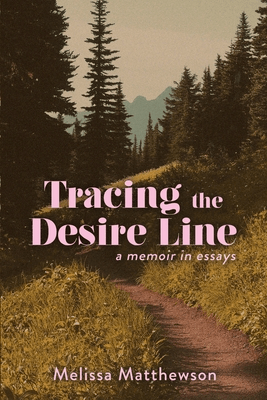
I read Tracing the Desire Line by Melissa Matthewson over the course of a few months. I started the first half before the holidays and the last half after. The book is beautifully written on the level of the line. I mean, it has a lovely structure overall as well, but the line really stands out.

The content of the book was personally challenging for me to read. The author navigates desire, FOMO, long term relationships, and does so through a lot of pain, and also some pleasure, though even that pleasure often seems anything but pleasurable (I often imaged the smells of old cigarettes, sour alcohol sweat oozing through pores, and someone else’s odor that just does not smell right).

I guess because of my age, and the relationships that are all around me. So many are navigating similar relationships, reactions, etc., and so it felt true and also frustrating. I admired the author’s ability to be the “bad guy” in the book. I think it’s so much easier to write from a sense of false victimhood, but the author doggedly avoids that and stays firmly in a place of truth telling, even when it is not flattering, even when it is something readers might imagine she’d rather forget, and even when this mistakes are out there for everyone to see.

I am reminded just how vulnerable one has to be in order to write good books. As for this one–it is worth reading for the line, but also because of the honesty, even when it is ugly and difficult.