Tag Archives: farm

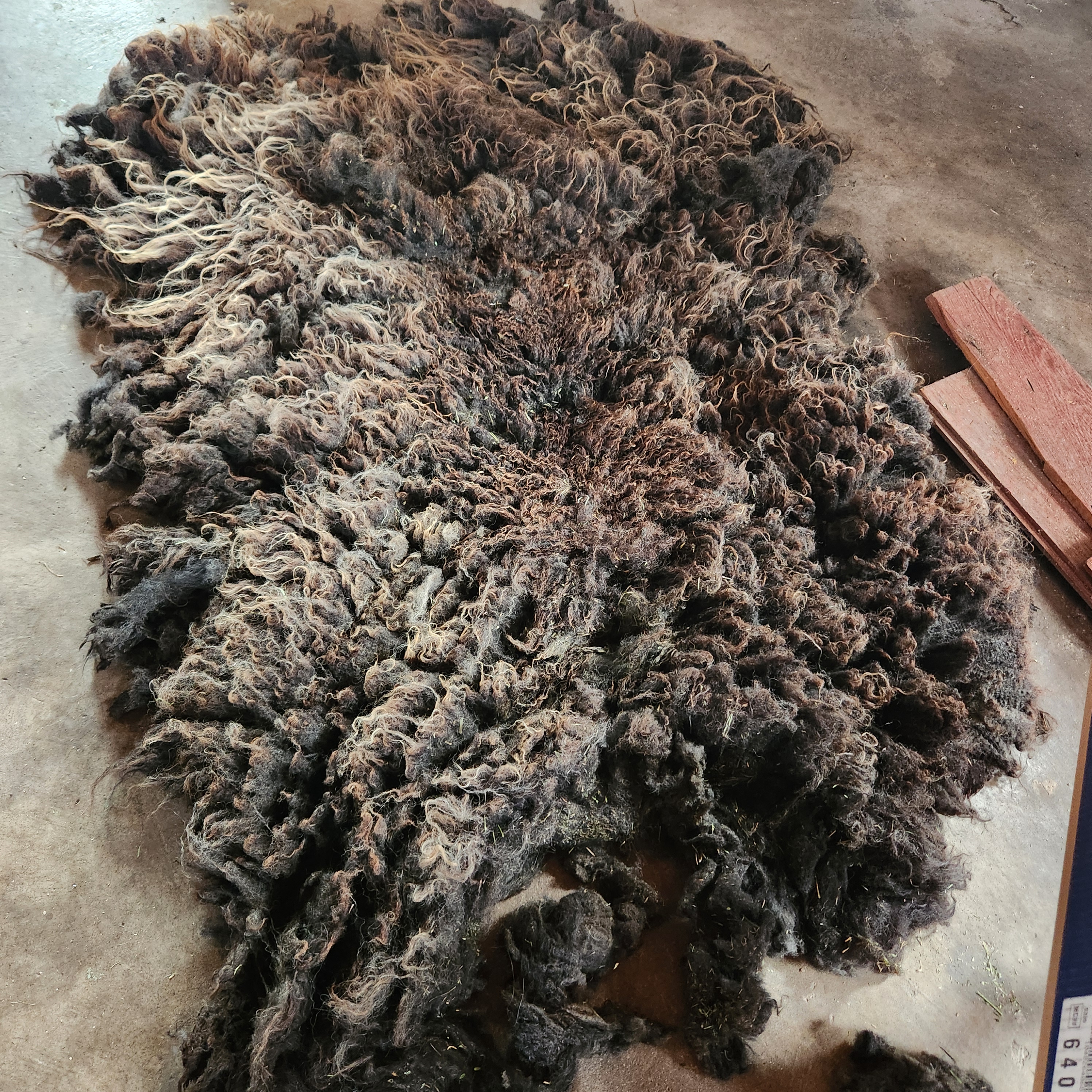
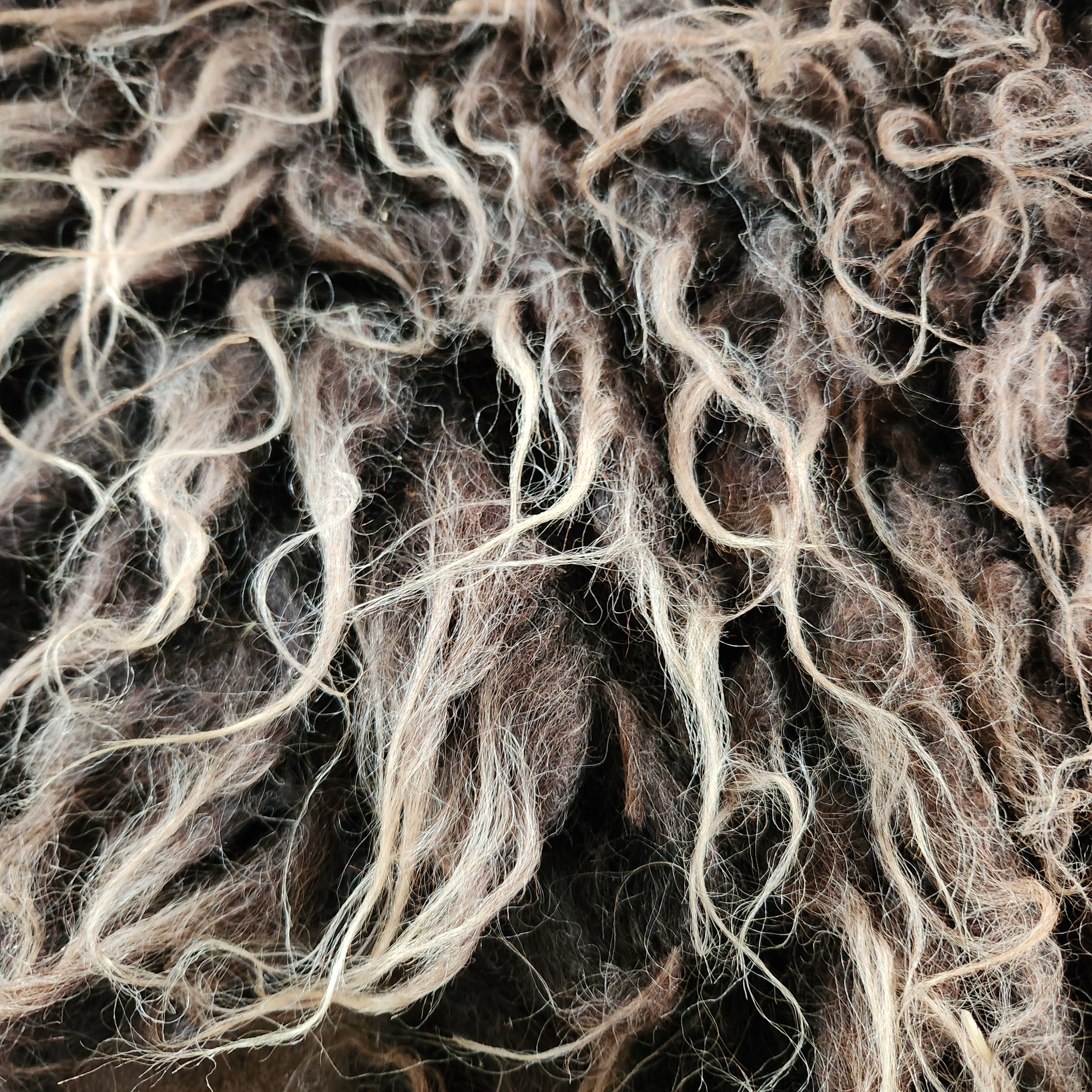
2025 fleeces are ready!

I raise fine fleeced Shetland sheep, which is a breed of primitive short-tailed sheep from the Shetland Isles. My ewes are colorful and (mostly) friendly. I shear them each spring, and occasionally I shear lambs in early fall.

Each spring this breed of sheep starts to “rise,” which is a natural release of their fleece. However, the fleeces do not actually release, and the process leaves a layer of wool close to the skin that is tough to shear through. So, I’ve been experimenting with shearing earlier in the year. I see that farmers in Montana routinely shear in mid-late February, and their climate is much colder than mine.

This year I sheared earlier than ever, and I could tell that some of the fleeces were just starting to rise, but mostly they were easy to shear, and I think I caught it in time. The other option is to wait until late spring and after the rise, which I like, and tried last year, but it can cause some confusion between lambs and ewes, and that’s a risk that I’d rather not take. So, I prefer to shear earlier if possible, before the ewes have lambed.

I was happy with this year’s fleeces. I loved the dark coming from Blackberry’s lambs, but also found it to be a little tough to shear. The light fleeces were mostly really light soft and easy to shear, and I might move more in that direction in years to come.

Someday I’d love to learn to weave, but until then, I love seeing what others create with these lovely fleeces!
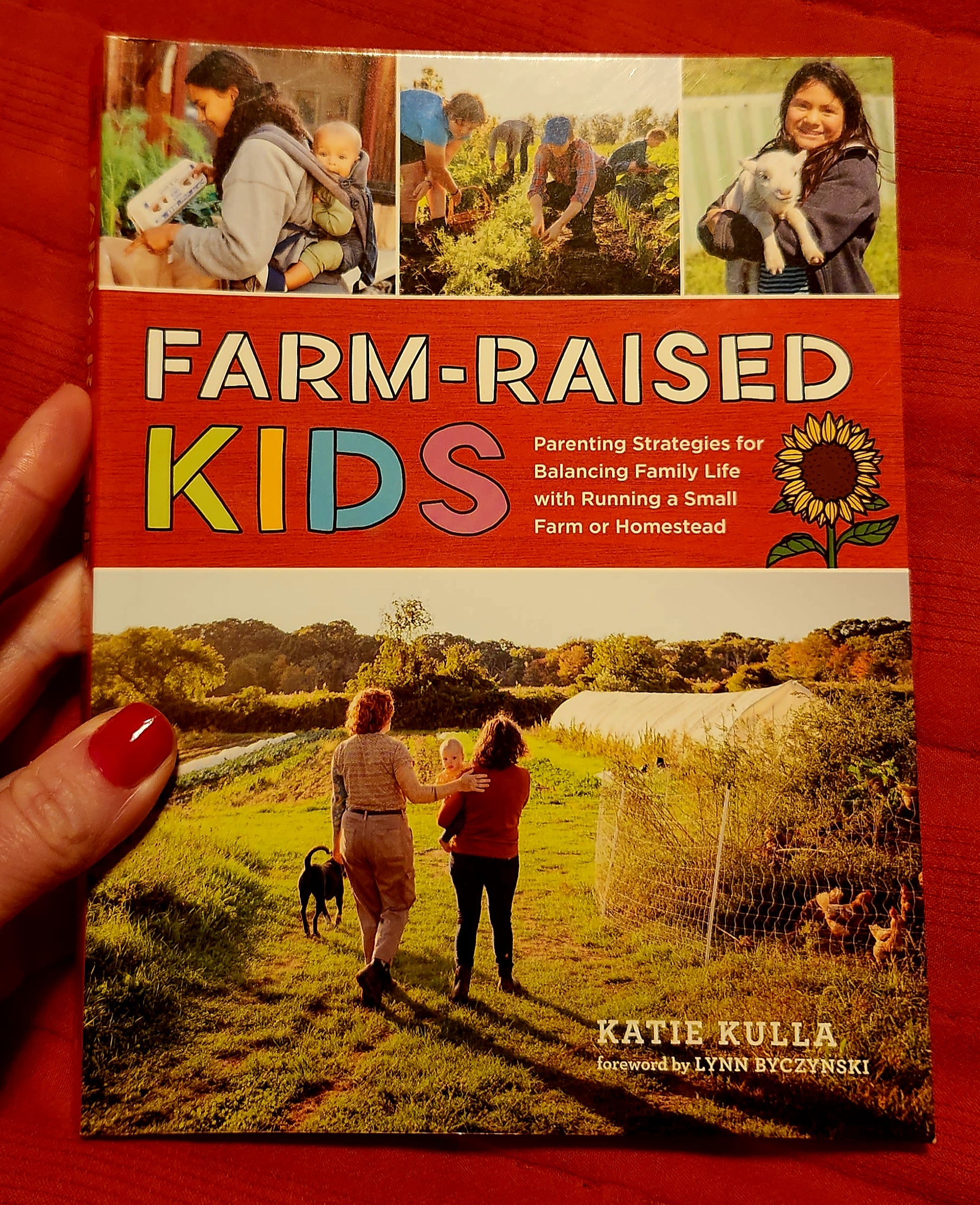
Farm-Raised Kids by Katie Kulla

This was a charming little book by a farmer I know from the west side of Oregon, Katie Kulla.

Parenting books can be difficult because parents tend to be exhausted, and advice and ideas are need, but there is no quiet, peaceful time to read! However, this book is easy to read, easy to digest, and it is informative, without making readers feel guilty or overwhelmed. It’s more like, “Hey, it’s good for kids walk go outside and walk on uneven ground.” Then, readers can feel good about letting their kid walk on uneven surfaces, play in dirt, or feel the sun on their skin once in awhile. It’s simple, basic stuff. It’s reaffirming, and I found it to be inspiring and encouraging.

I was also heartened to read that there are many different families, scenarios, and “farms” depicted, so that a broad range of readers might identify with the lives and lifestyles of these people. Go order Farm-Raised Kids by Katie Kulla now!

Remembering Laughter by Wallace Stegner

Remembering Laughter by Wallace Stegner is a classic novel that reveals why people are the way they are. Or, more specifically, why this one family is the way they are.

In his book, Stegner reveals himself to be a master author, demonstrating artful craft on the sentence level, accompanied by deep insights into the human condition. None of this is news though. Stegner is obviously a renowned author–though I don’t think I’ve read his work before.

I found myself wondering why this novel isn’t taught more often. It’s a short, manageable size and one that students could easily get through in a short timeframe, leaving plenty of time for discussion, analysis, and response.

Stegner’s more famous work is Angle of Repose, which evidently has some criticisms on it surrounding plagiarism, which then calls into question his methods and all of his work. Remembering Laughter is worth the read though and won’t take up much of your time.

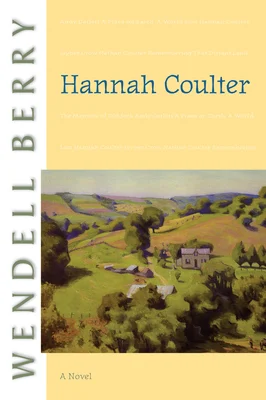
Hannah Coulter by Wendell Berry

My second book of the year is Hannah Coulter by Wendell Berry. I’ve heard of Wendell Berry before, as a respected author of natural and rural places, but this is the first book from Berry that I have read. I guess maybe I thought he was a poet, but this work, and his other books, are very much prose!

After reading, I can say that Berry walked a fine line between uncomplicated narrative, nostalgia, and truly solid writing. Normally, excellent prose is not deeply nostalgic (even cheesy?), but Berry goes there and (mostly) pulls it off.

Hannah Coulter is the narrator, and in the book she is simply retelling her life story. Her life story is one of an impoverished farm kid, then a farmer’s wife, living in rural Kentucky, born around 100 hears ago. Her story lasts through the turn of the 21st century, and the book was published in 2004.

In the book, through Hannah’s narrative, Berry captures a unique culture, experience, and perspective. Through Hannah’s eyes, readers follow a changing farmscape, a changing sense of community, and a changing (and probably worsening) world.

Coming from a small, rural community myself, I thought Berry’s depiction of small-town life was deeply accurate, and he captures the best, most wonderful aspects of a strong community–one that many people never experience.

Of course, there are also downfalls to rural, small-town living, and many are desperate to escape the confines. (The same is true, in reverse, of urban living too though.) Berry captures none of the contrary argument and focuses only on the benefits of rural living. In my mind, there is a place for this narrative in the world, and Berry gets to tell it.

Readers may marvel at the seeming poverty, the scrimping, and the hard work involved in Hannah’s life, the lack of technology, the close sense of a very large and dependable community. It’s an experience that many no longer have, as they are removed from extended families and generations-long relationships.

I’m never quite sure what to think when an author’s main character is opposite gender of the author, and I do think something is usually lost, and that may be the case in Hannah Coulter as well. This book and this content isn’t for everyone. But what is? It’s a slow, intentional read, uniquely structured, beautifully written, and appreciated by readers like me.