Monthly Archives: November 2026

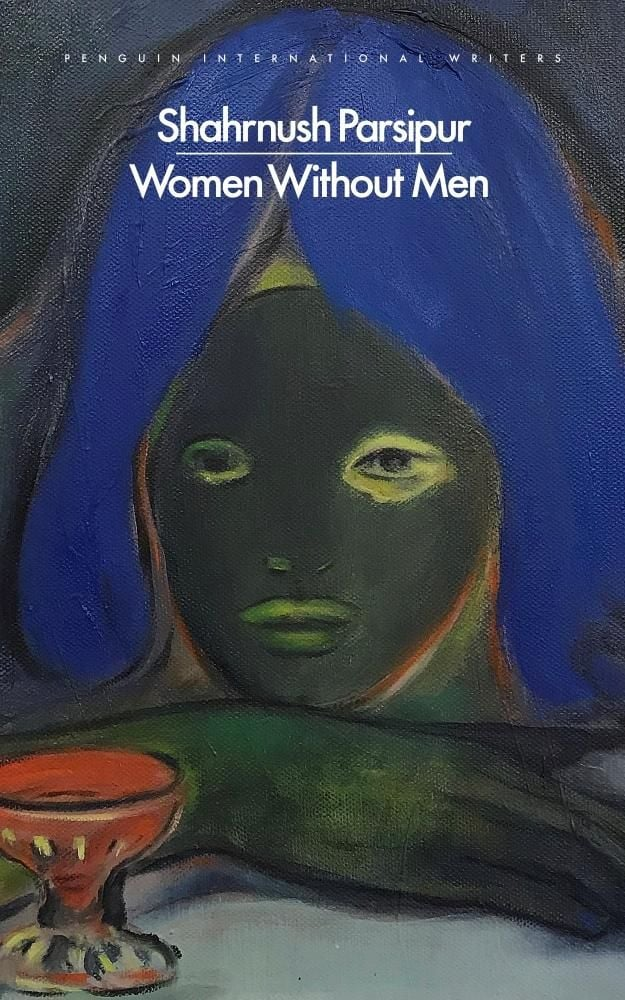
Women Without Men by Shahrnush Parsipur

Shahrnush Parsipur wrote Women Without Men in the late 1970s, and it was published shortly before going to prison in 1990. I think this history is relevant, along with a working understanding of the profound political shifts in Iran over the past decades, or century, really.

Understanding the political backdrop adds meaning to the book, which is novel in a series of shorter stories, with characters that connect as the book advances.

This is not a new book, but it is still standing the test of time for the unique characters, literary approach, and for the rich history, lore, and philosophy that is interwoven in a beautiful and yet still accessible way. After reading it, I agree that this one is important.
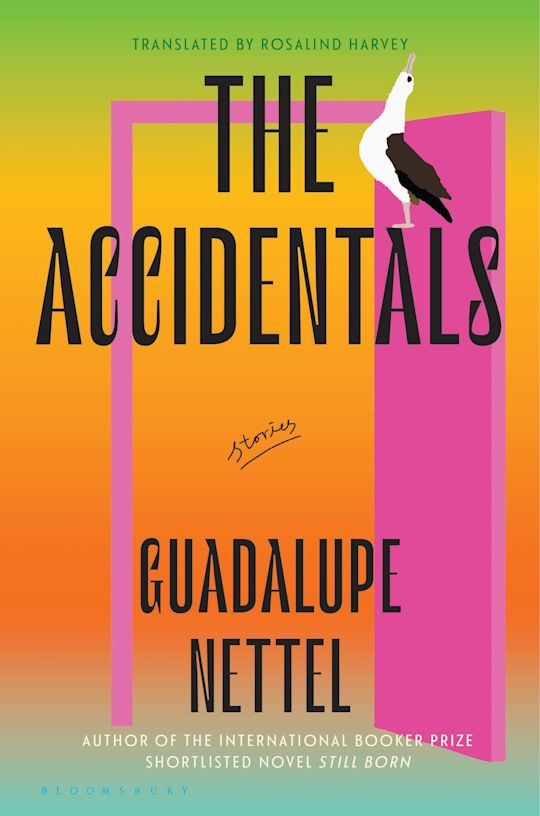
The Accidentals by Guadalupe Nettel

The Accidentals by Guadalupe Nettel is a solid series of short stories. Each one could have gone in the year’s Best American Short Stories. My favorite short story of the book was probably the one named for the book.

Each story both disoriented me in some way and also brought me back to a familiar and resigned knowing. The stories are carefully paced and excuted. This one is worth the read, especially if you haven’t read a collection of shorts in awhile.

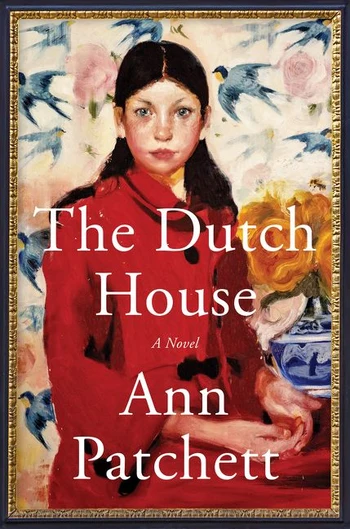
The Dutch House by Ann Patchett

On Bookstagram, a common question for authors in interviews is “If you could live in any novel, which would it be?” I find the prospect terrifying, but if I had to choose, it would be something by Ann Patchett. Her book, The Dutch House, is a great example. I’d like to spend time with these people: smart, complex, insightful. Most of all, I’d like to spend time in the Dutch House. While not every character is enamored with the place, I feel certain I could live there happily forever.

While I did have to suspend disbelief a few times (that’s fine! I am willing), I thought The Dutch House was another of Patchett’s masterpieces. She captures worlds and characters that readers are most curious about. She puts to words certain human foibles that are previously unnamed, but wholly recognizable. She takes us to high stakes and dramatic places, but can also be trusted to guide us safely home. I loved it.

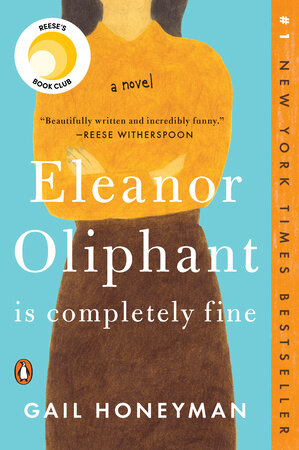
Eleanor Oliphant is Completely Fine by Gail Honeyman

I suppose I was looking for an easy, mindless read when I chose Eleanor Oliphant is Completely Fine by Gail Honeyman. This is a popular book among book club circles, and not my usual choice, but it did the job. I thought this premise was engaging and kept the reader wondering–the hallmark of a popular book.

The writing was fine, but that’s usually the case for popular books from the UK because their speech sounds elevated to the “American” ear. I wasn’t always sure about the scenes, how they achieved their character building, and sometimes wanted more meaning and poignancy to be baked in, but in the end, the points were achieved and the plot landed.